
Prepare for the unexpected this winter season with helpful tips and reminders to make the most of the colder months.
November 26, 2025
Stay informed by regularly checking weather forecasts and monitoring for potential storms. Reliable apps like The Weather Network and Environment Canada’s WeatherCAN are great tools to keep you updated.
Being aware of changing conditions helps you plan and avoid being caught off guard. Whether you’re heading outdoors or staying cozy inside, a little preparation goes a long way toward ensuring a safe and enjoyable snowy season.
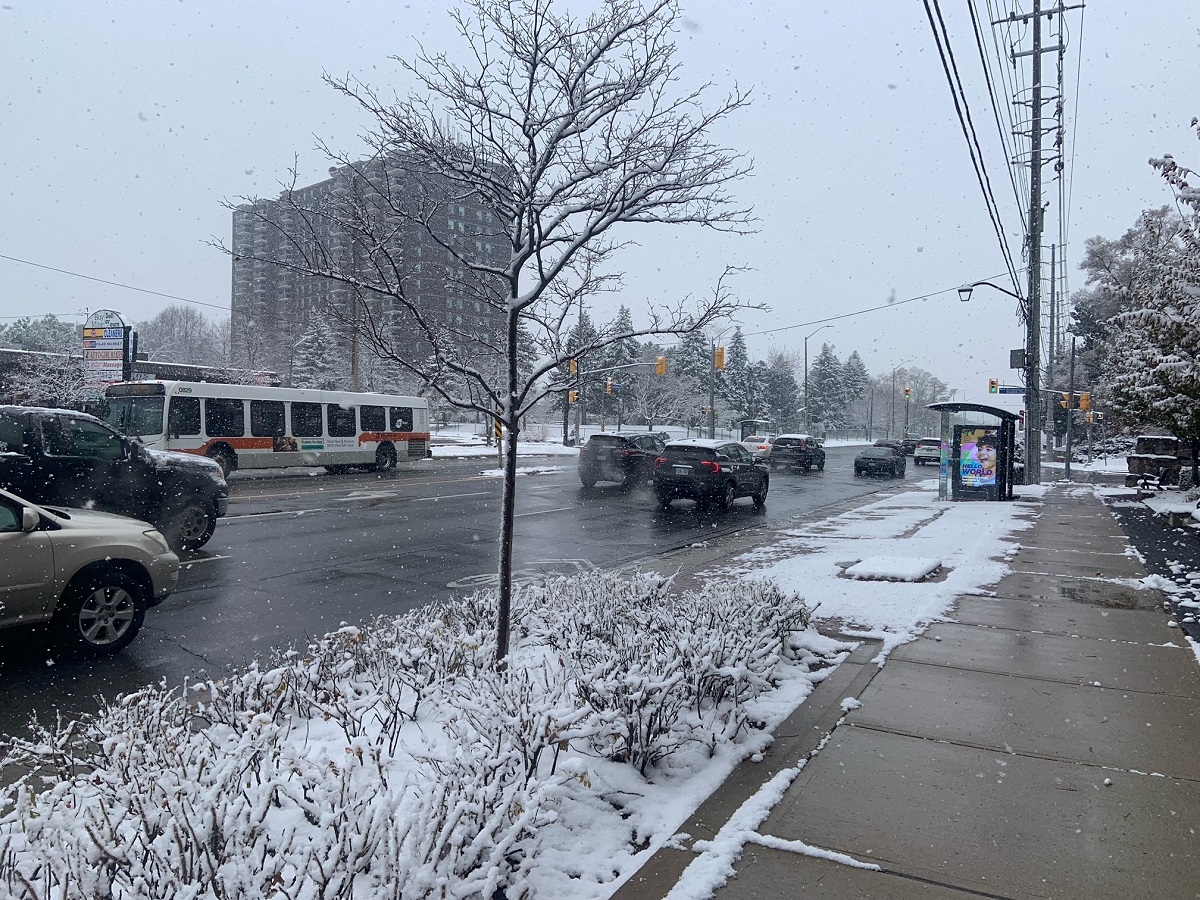
Before a winter storm
From icy winds to heavy snowfall, your property should be equipped to handle winter storms. A well-prepared home not only keeps you warm and safe but also gives you peace of mind when the weather turns rough.
Stock up on supplies
Winter weather can arrive without warning, and when the snow starts falling, the last thing you want is a last-minute trip to the store. Stock up early on essential supplies to build an emergency kit which includes items like non-perishable food (canned food, energy bars, dried food), bottled water, extra batteries, a portable phone charger, manual can opener and a first-aid kit.
Have warm clothing, extra blankets, hats, gloves and a battery-powered radio ready in case of power outages. Use battery-powered heaters, flameless candles or flashlights for safe warmth and light.

Plan ahead for power outages
Winter storms can lead to power outages. Have a plan in place, including backup power sources like generators, and practise safety with them. Keep a supply of flashlights and batteries ready. Remember to also keep your cell phone fully charged, and have a backup charging pack accessible, to help you monitor changing weather.
To learn more visit Alectra’s Power Outages & Safety webpage.

Prevent frozen pipes
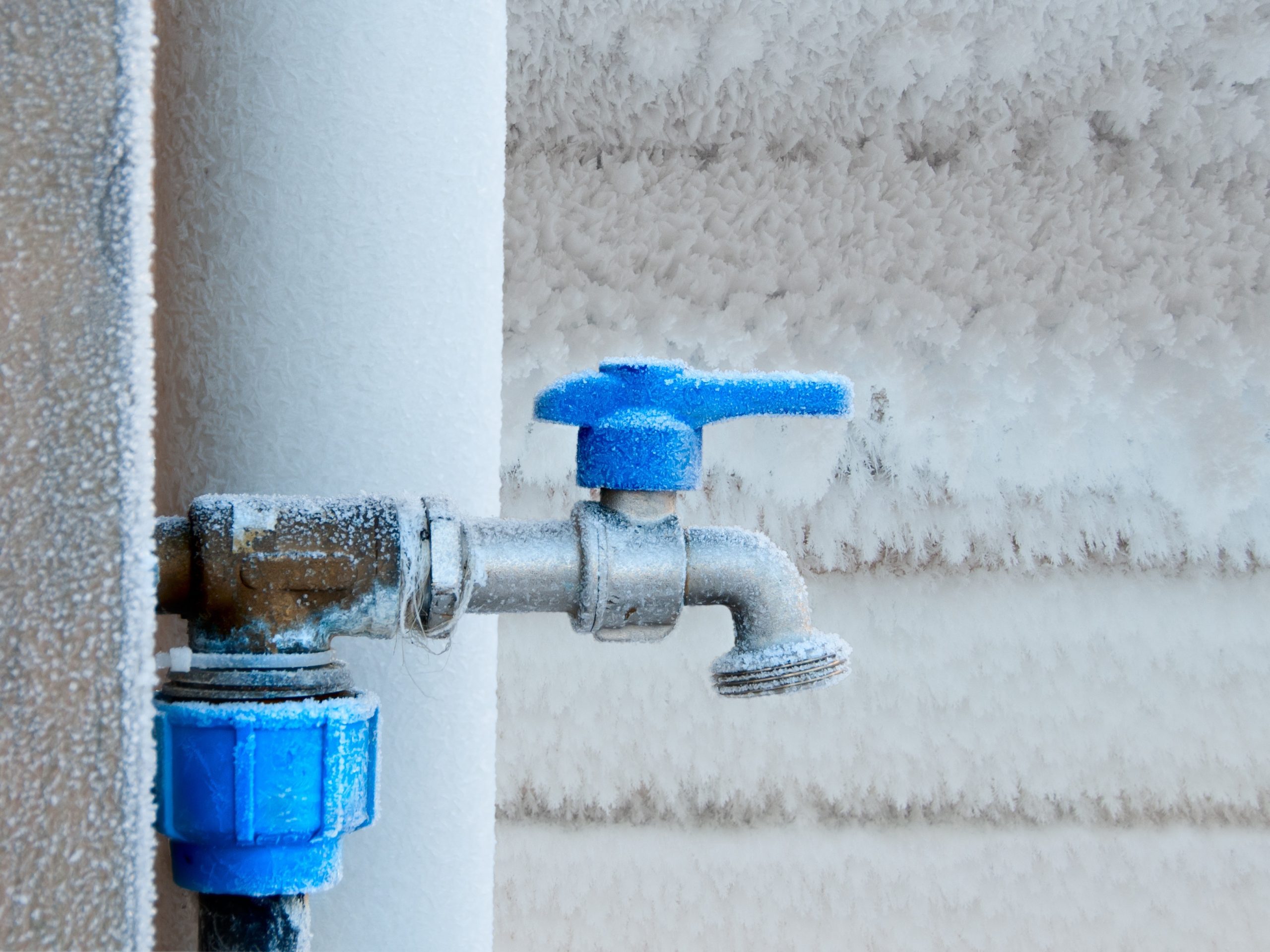
In negative temperatures, the water pipes in your home can freeze, leak or burst if they are not properly protected. You can winterize your outdoor pipes by:
- Closing the water shut-off valve (or valves) to turn off the outdoor water supply. Shut-off valves are usually inside the home and garage, close to where outside taps come into the home.
- Detaching garden hoses from faucets.
- Opening outside faucets to drain them.
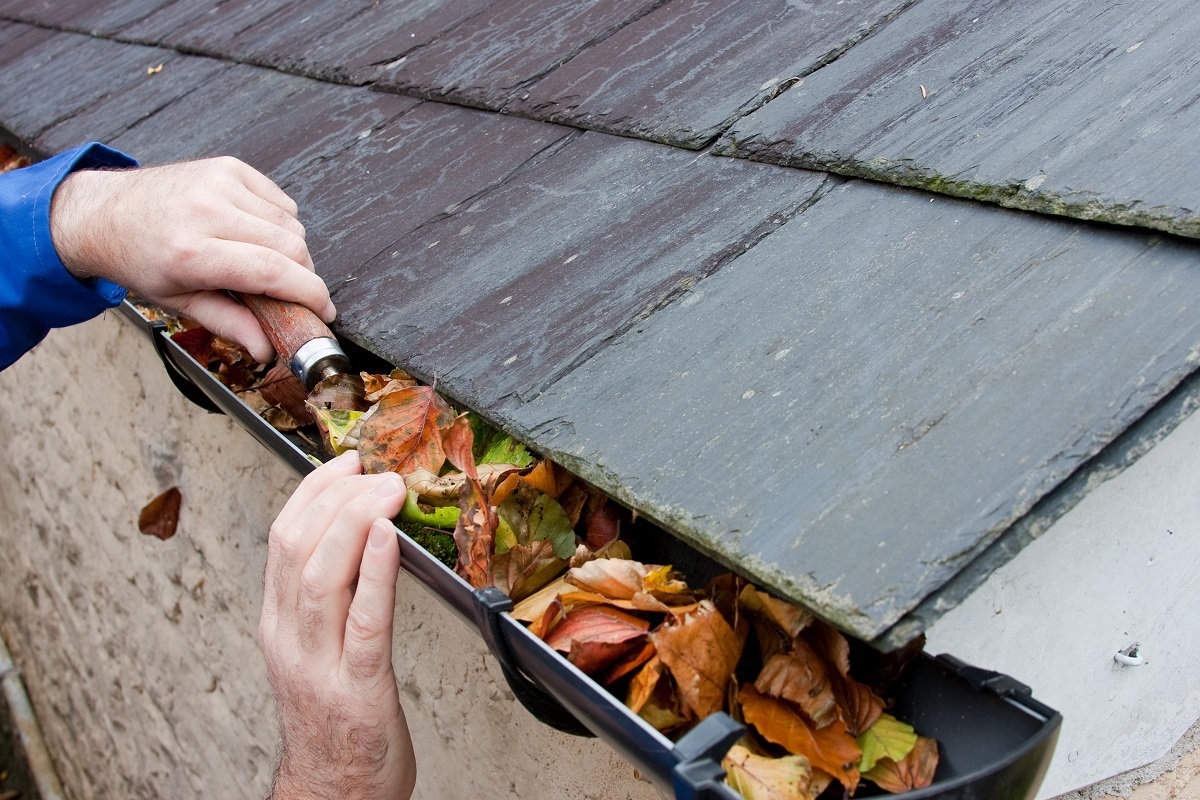
Clear your eavestroughs
Before winter storms arrive, take a few minutes to check your eavestroughs to see if they are clogged, if safe to do so. Leaves, twigs and debris can block melting snow, causing water to back up under your shingles, damage to your house walls or freeze into heavy ice dams.
A quick clean now can prevent costly roof leaks, reduce the risk of water damage or leaks into your basement, and help winter runoff flow safely into the stormwater system.
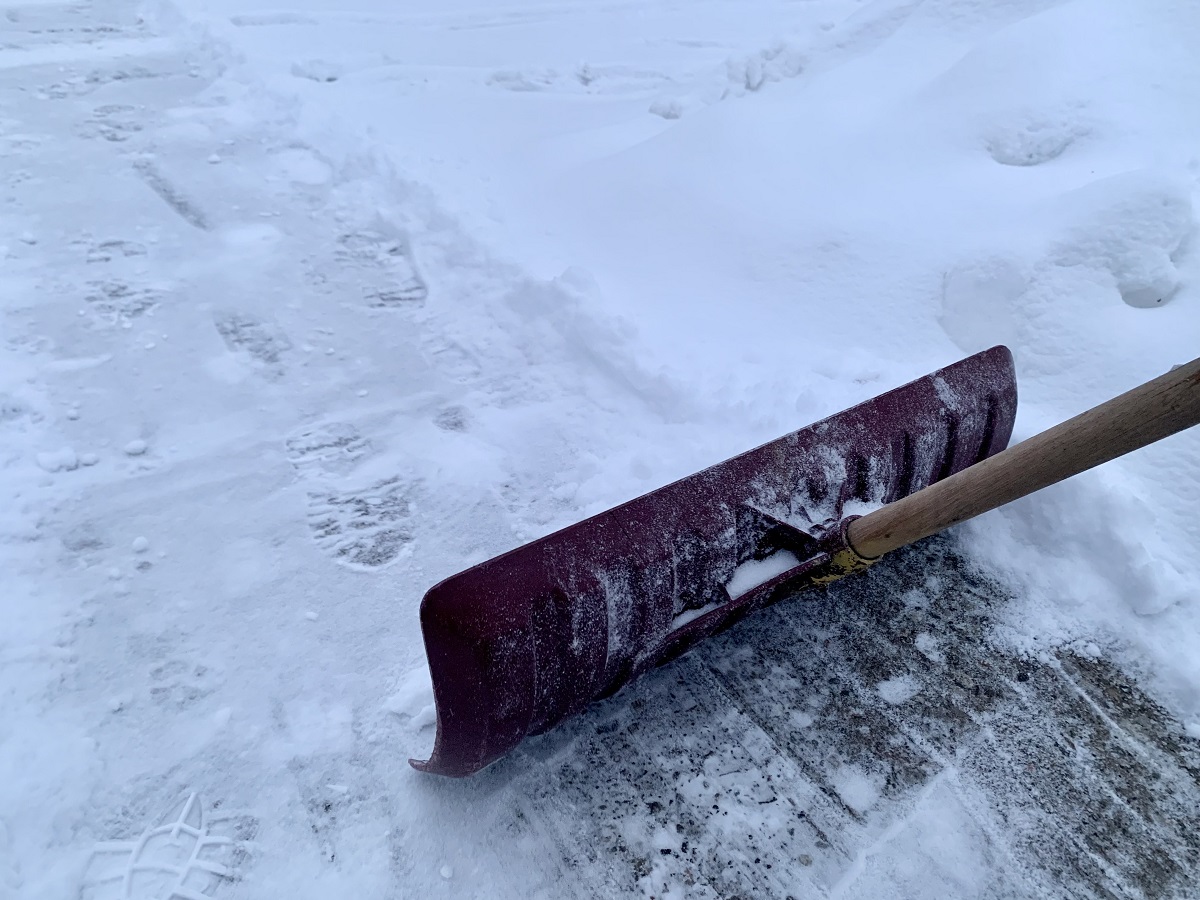
Keep your snow supplies accessible
Have shovels, salt, and snow removal supplies in an easily accessed place. Check to make sure your shovels are in good shape and that there are no cracks or splinters. If you have a snowblower, check to make sure it’s in working order before a major snowstorm or winter weather event.
Winterize your car
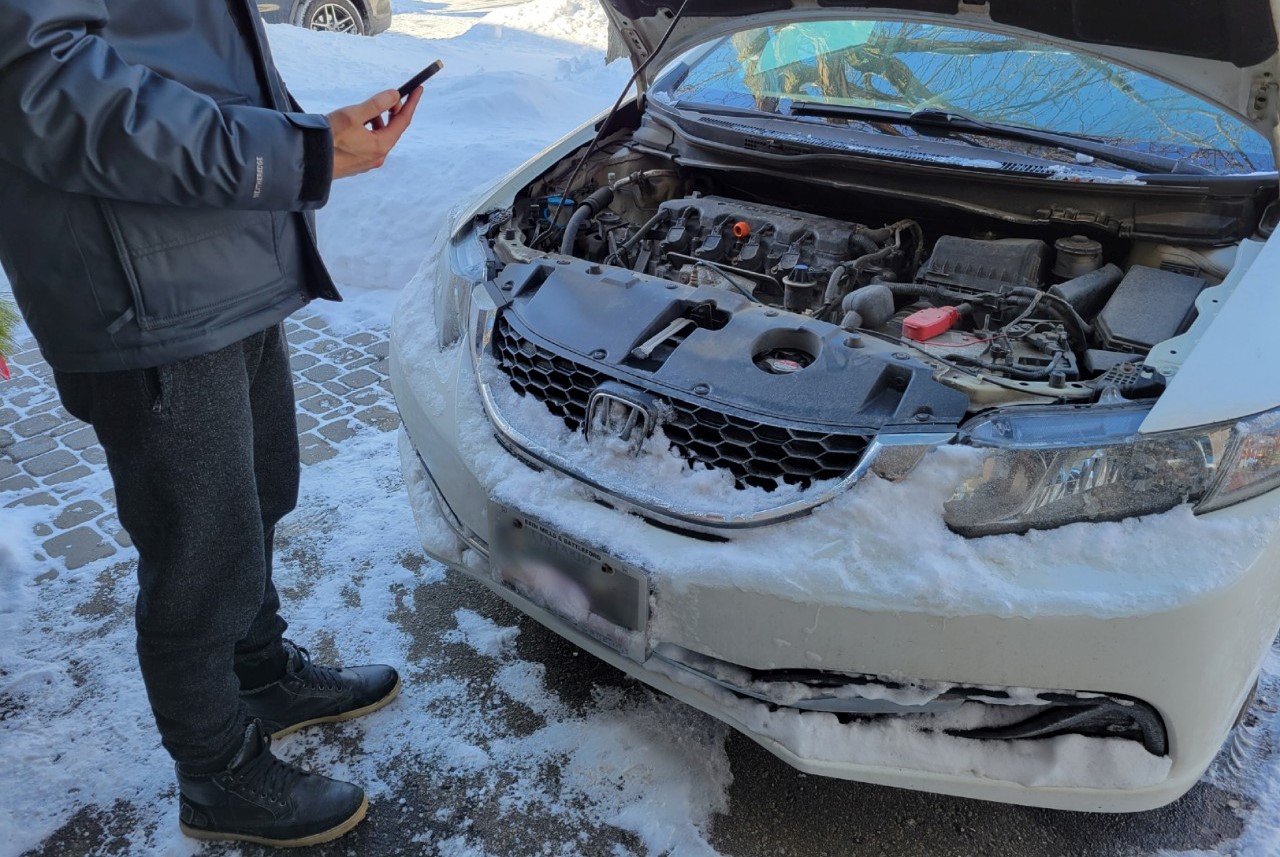
Winter tires are designed for cold climates and offer enhanced traction, giving a better grip on roads and reducing braking distances. Try to get your winter tires on before temperatures dip below the freezing mark. Remember to test your car battery, check your coolant, top up your fluids, test out your wipers blades and clean your headlights.
Keep an emergency preparedness kit in your vehicle with essential items like a first aid kit, extra gloves and socks, a portable phone charger, non-perishable food and extra water, flashlight, and a blanket. These items can provide crucial support during unexpected winter emergencies.
Know your neighbours and stay connected with your community
Winter weather is easier to manage when we look out for one another. Get to know the people living nearby, exchange contact information, attend local events to meet others, and check in if you’re able to during storms or power outages.
Checking in on neighbours, especially those who may need extra support, can make a big difference during winter storms.
During a winter storm
Winter storms may bring extreme cold, freezing rain, sleet, heavy snow, ice, and strong winds.
Shovel early and often
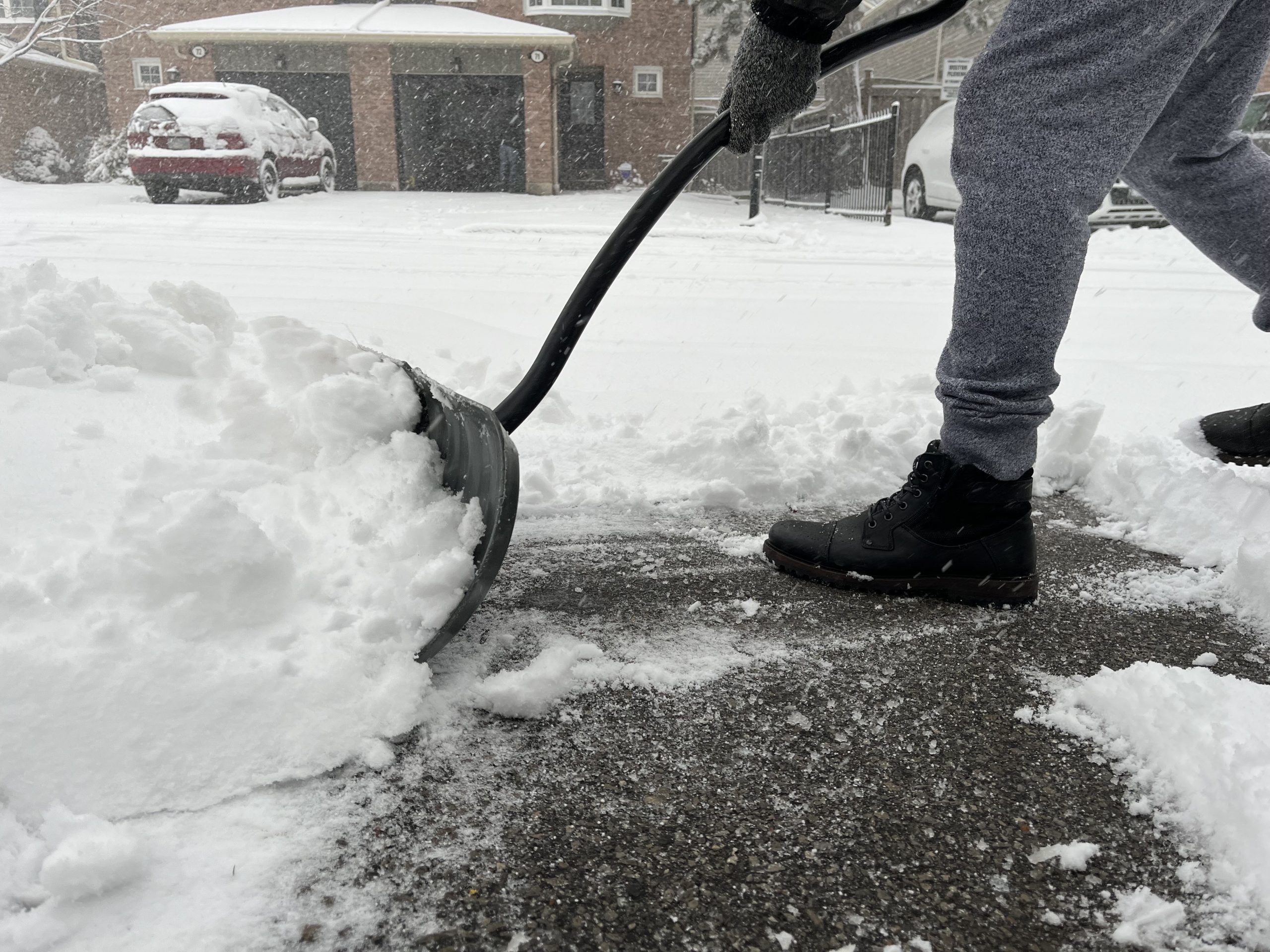
If you have a driveway at home, it’s important to shovel early and often to limit heavy snow build up and prevent ice from forming, which can lead to slips and falls. Shovelling periodically during a snowstorm can make heavy snow or significant accumulation easier to clear.
Avoid overexertion when shoveling snow. Take frequent breaks and, if possible, work with a partner.
Avoid an icy driveway
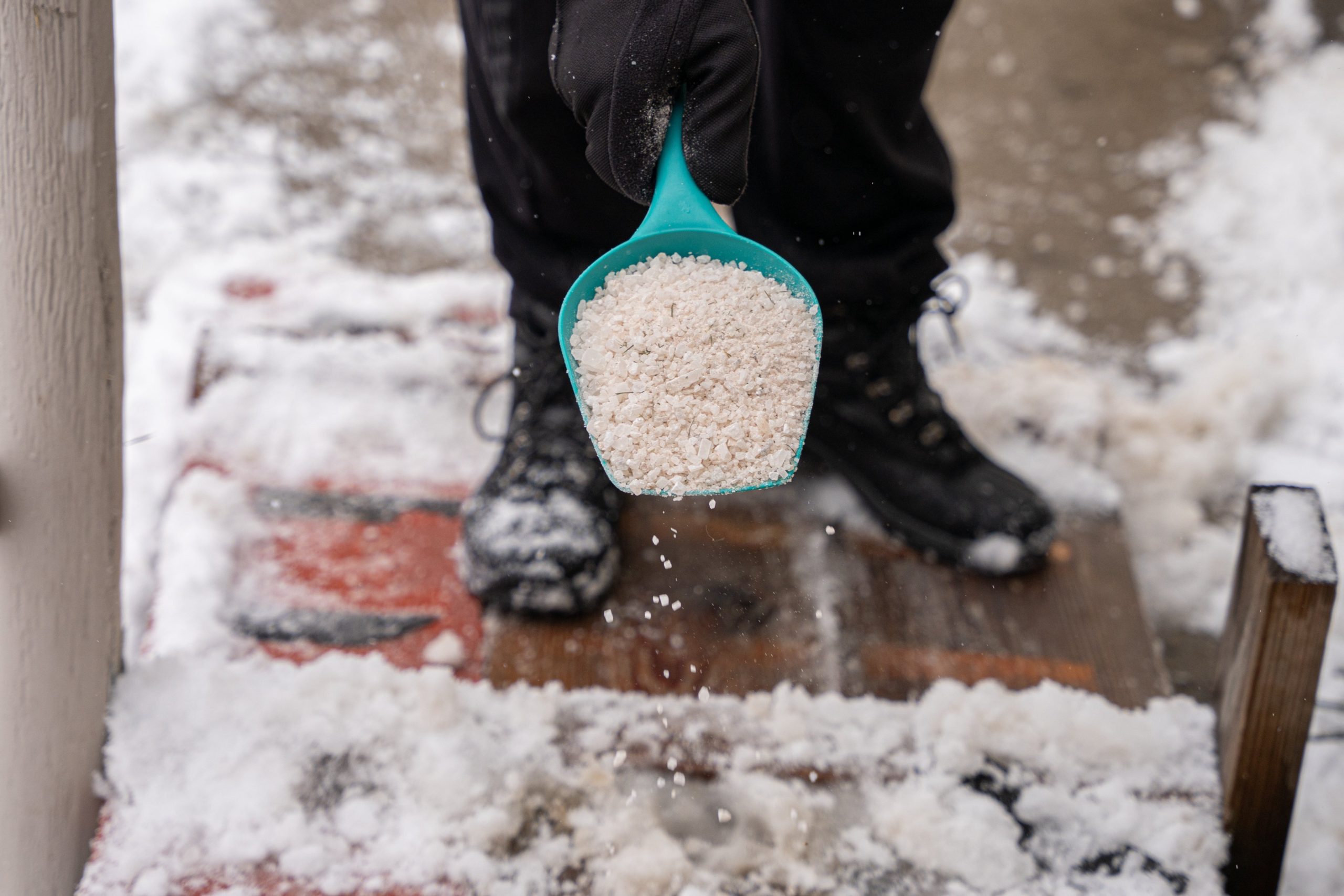
After the snow is removed from your walkway, sidewalk and driveway, be sure to check if de-icing is necessary. You don’t need much salt to be effective – using too much doesn’t melt ice faster, but it does damage plants, sidewalks and local creeks when it washes into the stormwater system. Follow the manufacturer’s instructions to apply the right amount, under the right conditions.
Salt only works on ice and snow when the temperature is above -10° Celsius. Consider using alternatives like sand, grit, mulch or treated salt (magnesium chloride) to add traction when the temperature is below -7° Celsius. Some of these options can even be swept up and reused. Use these materials sparingly, as they can wash away into the stormwater system.
Clear snow from gas metres and exhaust vents
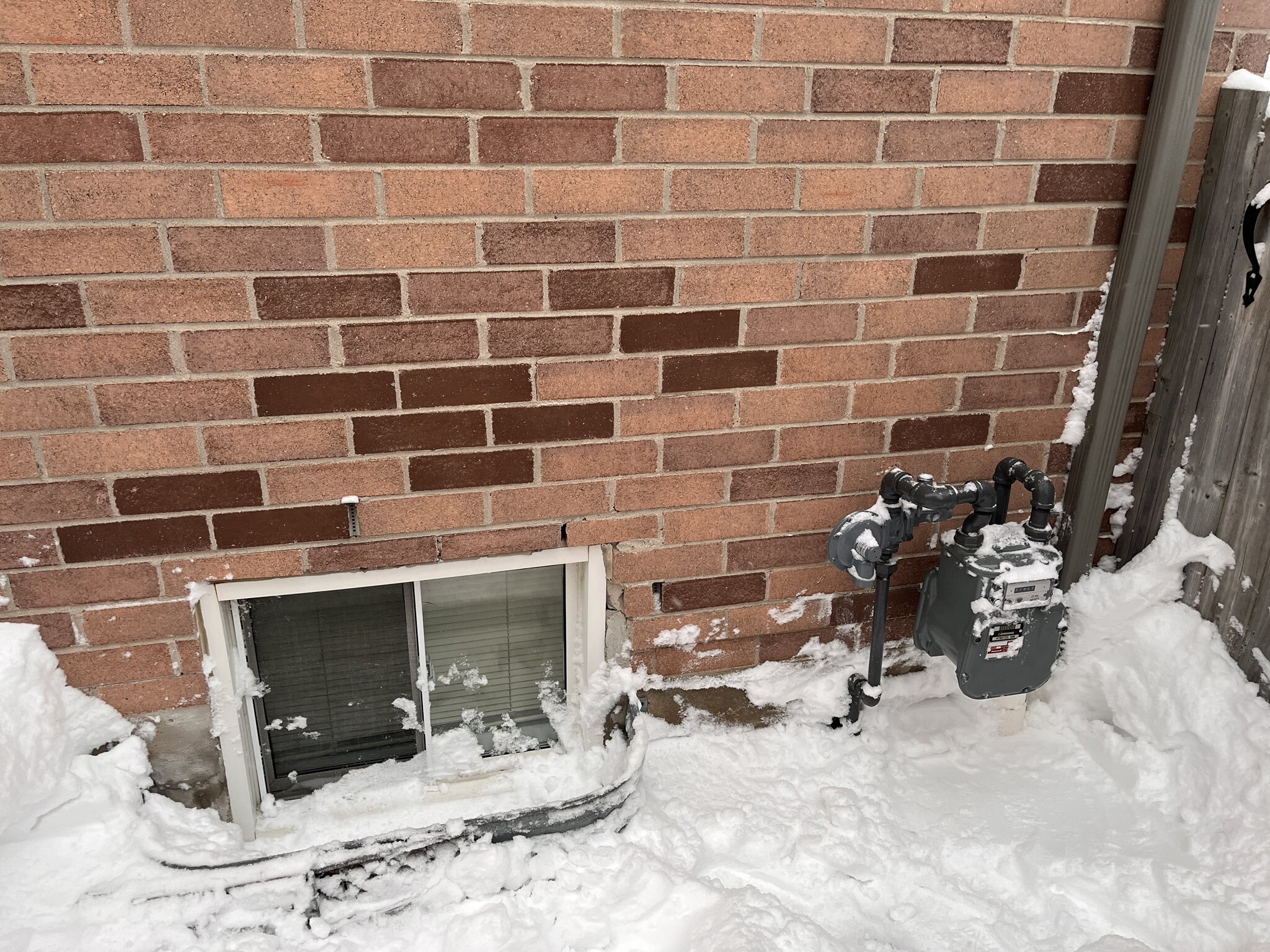
Excessive snow can weigh down or damage gas metres and vents, leading to costly repairs or replacements. Ensure there is a clear pathway to your gas metre in case of emergencies. Snow buildup can block gas metres and exhaust vents, potentially leading to gas leaks or improper ventilation. This can create hazardous conditions, including the risk of explosions or carbon monoxide (CO) poisoning. Blocked vents can also cause appliances to break or malfunction. A reminder, as of January 1, 2026, all homes will require a working carbon monoxide alarm on every floor.
Keep a path for fire hydrants
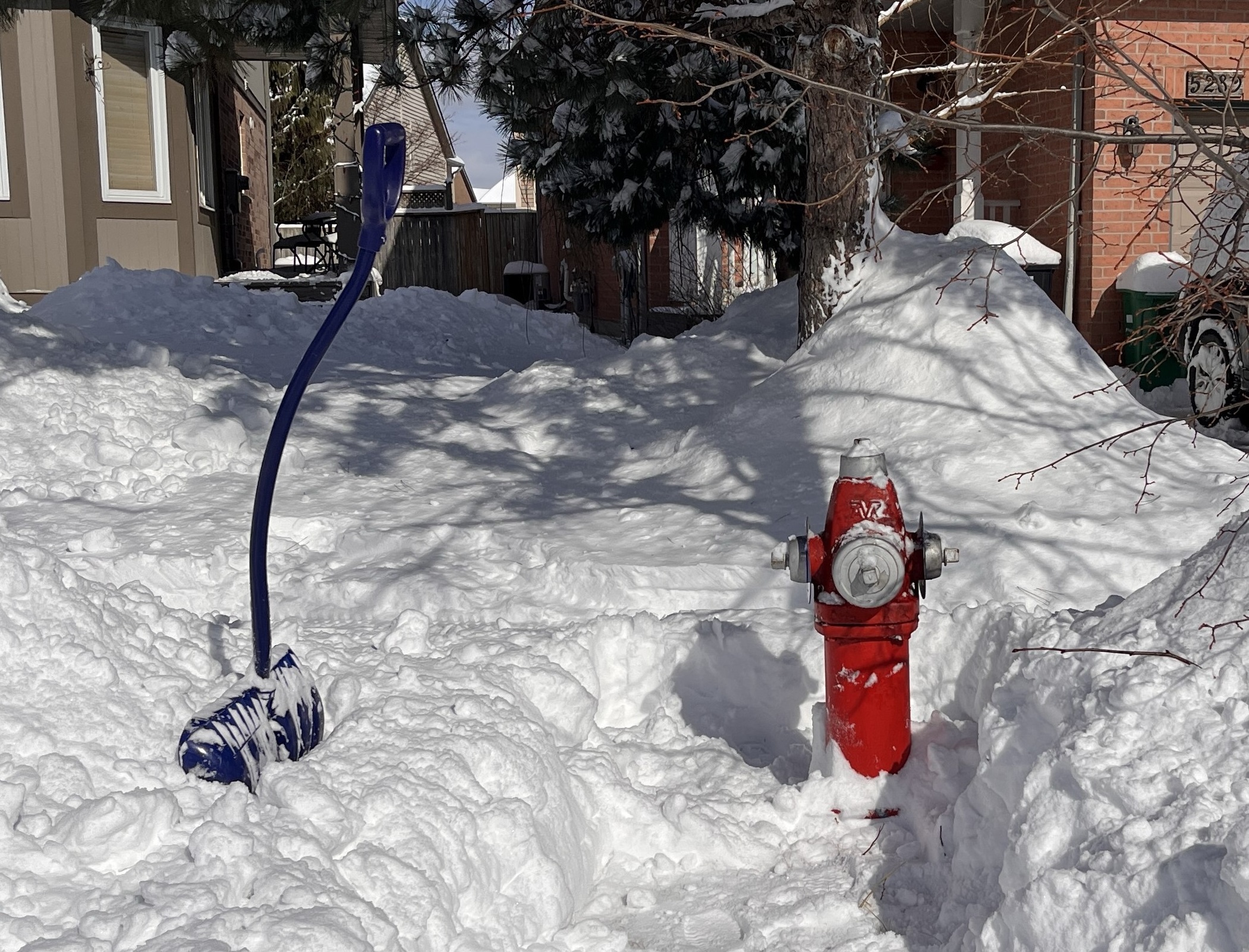
Be a good neighbour and keep fire hydrants on your property clear of snow. In an emergency, firefighters need to quickly locate and use a water supply. If a hydrant is blocked or covered in snow, it can be difficult to find, wasting valuable time in an emergency. Fire hydrants should be easily visible from the road, so make sure to clear a one metre radius around the hydrant and ensure a clear path to the road.
Stay safe while travelling on Mississauga roads
In severe winter weather or storm conditions, if you can, stay off the roads as there’s a higher risk of collision. Give yourself more time by leaving early, being aware of your surroundings and travel according to weather conditions. If you’re walking or riding a bike, make sure to use a crosswalk or crossride when possible. If cycling, use reflectors and bike lights.
When driving, remember to:
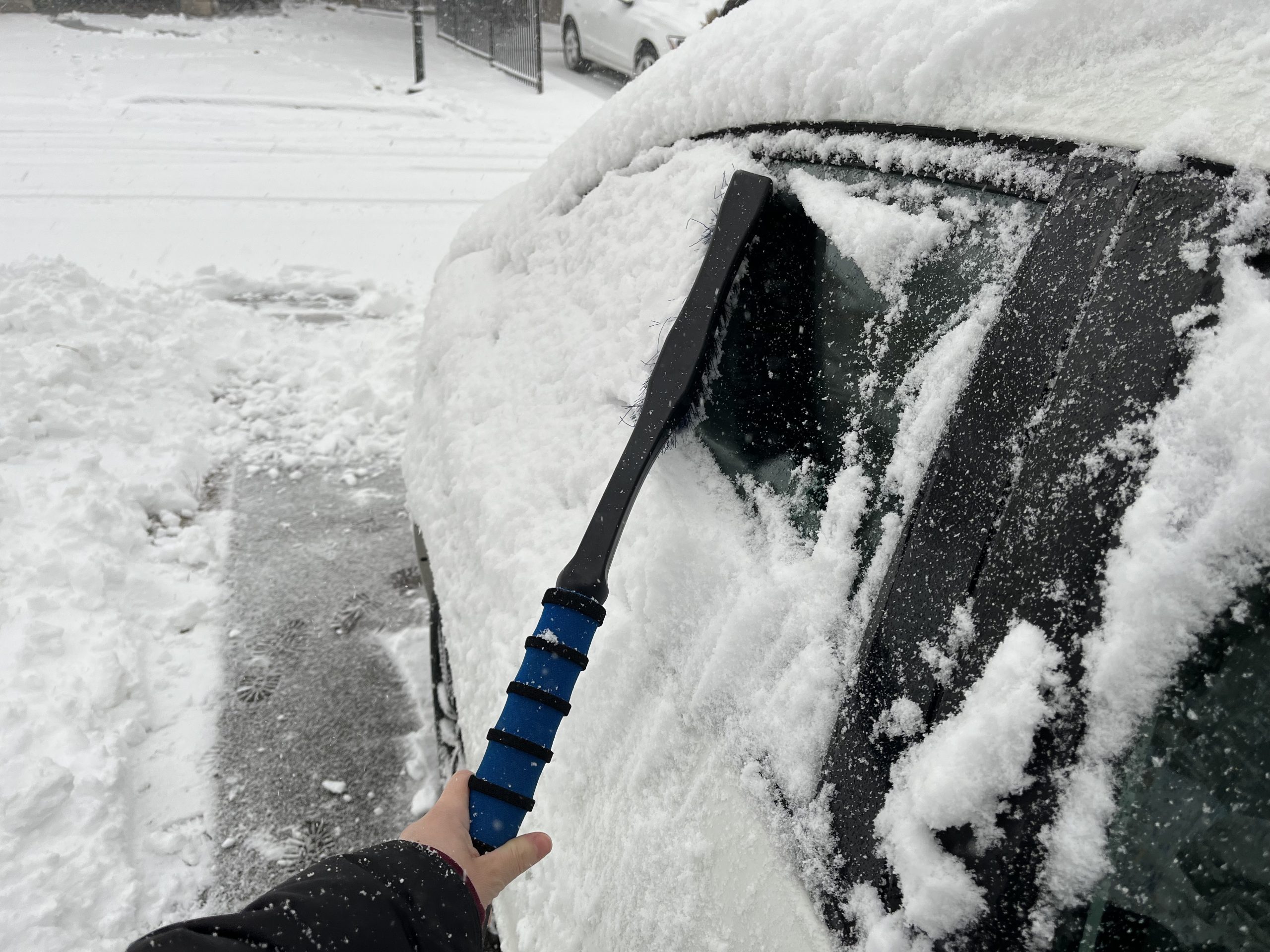
- Clear snow and ice from all windows, the roof of your car and headlights to ensure you have an unobstructed view and others can see you before you start driving.
- Drive for the road conditions by slowing down in bad weather like snow, ice or freezing rain.
- Look for pedestrians and cyclists before turning, entering or exiting driveways or roadways and parking lots as they are busy this time of year.
- Give snow-clearing crews and equipment room to work. Be patient if you are behind them.
- Ensure your vehicle is prepared in case you end up in an emergency and are stranded in severe winter weather. Make sure to fill your tank with gas, check your window washer fluid level and equip your trunk with an emergency kit that includes flares or lights, non-perishable snacks, water, spare clothing and blankets.
- Clear snow away from your car to prevent carbon monoxide poisoning in your car. It can happen if your exhaust is blocked by a snowbank.
Stay off frozen bodies of water
Although it may be tempting to walk, skate or play hockey on frozen bodies of water, deep water, weak ice and constantly changing water levels and temperatures make lakes, ponds, rivers and creeks unstable and dangerous.
When out walking, snowshoeing, tobogganing and out with children and pets, it’s also important to stay away from the ice close to the shore or riverbank. It may appear thicker and safe, but it’s still uneven, slippery and dangerous.
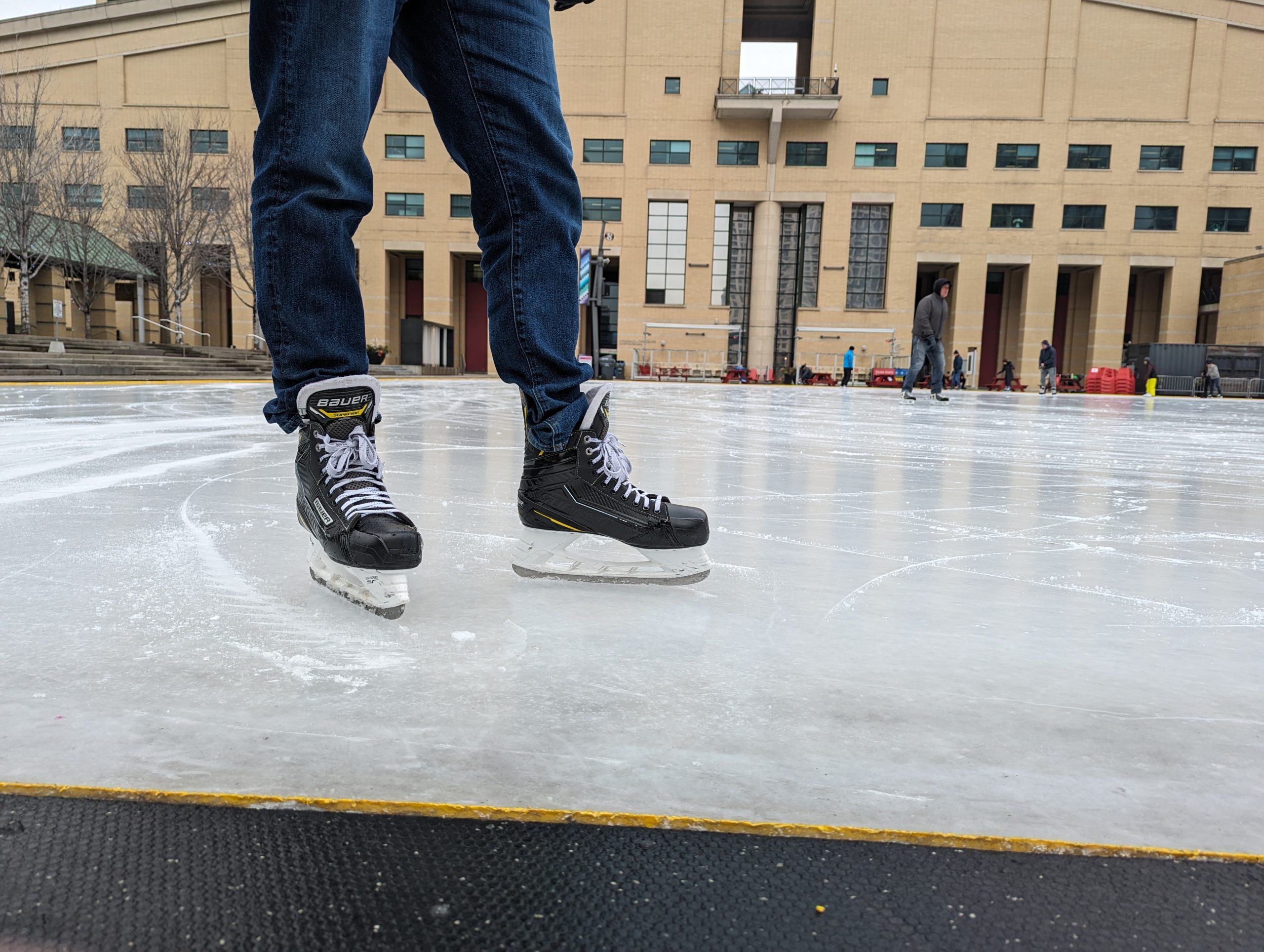
Instead, the City has three outdoor rinks and trails and dozens of indoor rinks that provide opportunities for lessons, private rentals, recreational skating and that also host hundreds of hockey games, year round.
Learn more about preparing for a severe storm: mississauga.ca/services-and-programs/health-and-safety/extreme-weather-conditions/severe-storms/