
Today’s conditions for Mississauga are going to be frigid feeling closer to –25°C with wind chill.
January 23, 2026
As temperatures plunge and wind chills bite, staying safe and warm becomes more than a matter of comfort, it is important. With extreme cold gripping Mississauga, preparing ahead, dressing wisely, and staying alert to rapidly changing conditions can make all the difference in protecting yourself and those around you – it can make all the difference.
Stay alert to changing winter weather
Canadian winters can shift rapidly, and extreme cold may arrive with little warning. Build a habit of checking daily forecasts, especially the wind chill, which can intensify risks even when air temperatures appear manageable.
Reliable sources include:
These tools can help you plan ahead and avoid being caught off guard by sudden cold snaps.
Dress wisely for extreme cold
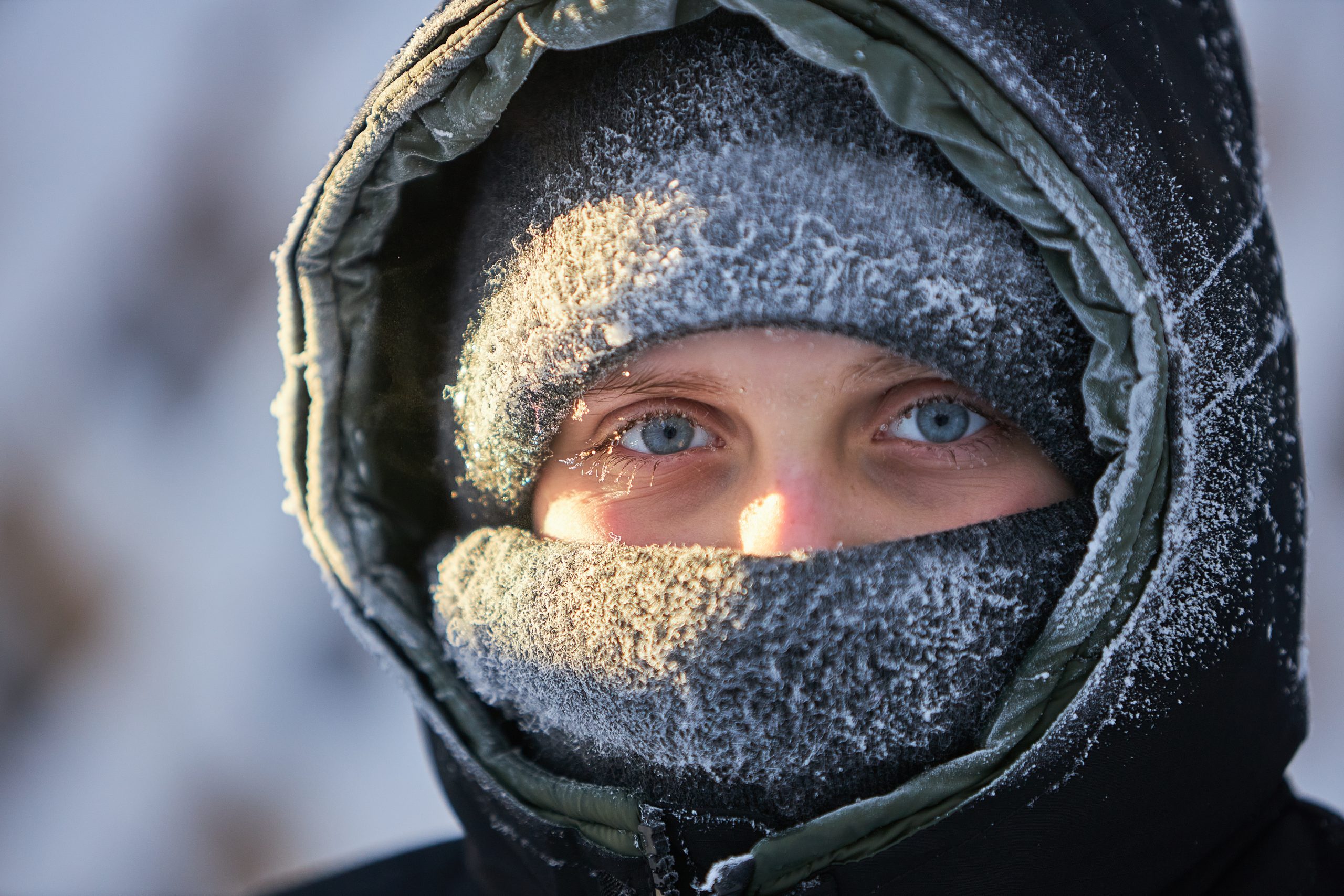
Extreme cold exposure can become hazardous quickly. Cover all exposed skin and dress in three or more layers on the top and bottom. Ensure your outer layer is waterproof and wind resistant. The right clothing helps prevent frostbite, hypothermia, and other cold‑related health issues.
- Layer your clothing by using moisture‑wicking base layers, add insulation, and finish with a wind‑ and water‑resistant outer layer.
- Cover exposed skin to avoid frostbite, which can occur within minutes in severe cold. Protect your ears, nose, cheeks, fingers, and toes with insulated gear.
- Cover your mouth with a scarf to warm the air before you breathe it in.
- Wear a warm hat that covers your head and ears as well as a face mask
- Ensure you have warm, waterproof gloves or mittens to keep your fingers and hands warm.
- Stay dry as moisture reduces your body temperature rapidly. If you’re active outside, change damp layers as soon as possible.
- Check on vulnerable people like children and older adults are more sensitive to temperature extremes. Ensure they are properly bundled.
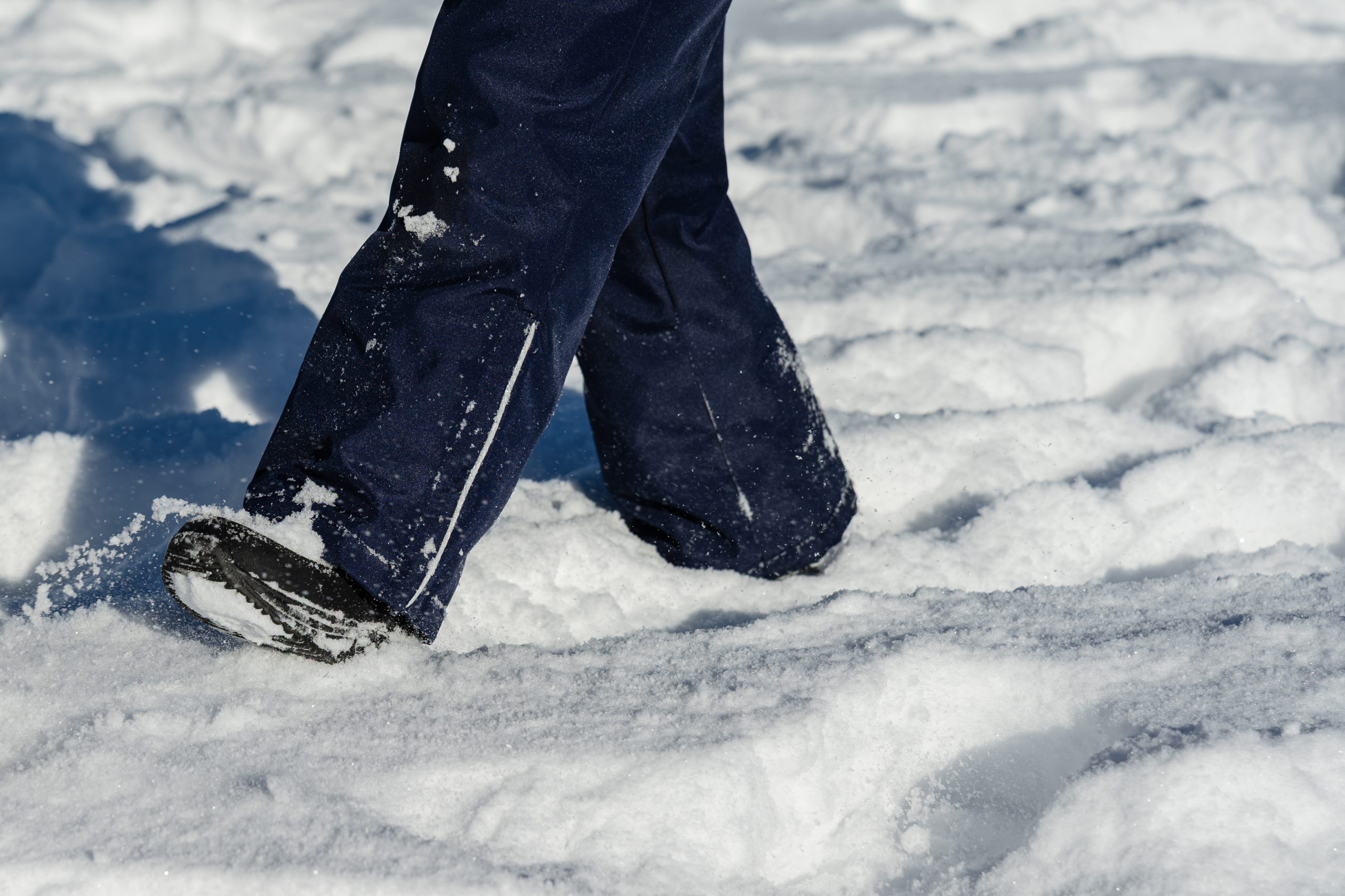
- Wear proper footwear by choose insulated, waterproof boots with slip‑resistant soles to help prevent both cold injuries and falls.
Outdoor activity tips
While physical activity produces body heat, extreme cold still places stress on your heart and lungs.
- Avoid overexertion.
- Warm up before shovelling and take regular breaks.
- Use caution on icy sidewalks, steps, and driveways.
- Avoid strenuous activities during severe cold, as they can strain your heart.
- Keep your phone fully charged before heading out, it could be vital in an emergency.
Recognizing cold‑related health risks
Frostbite
Look for numbness, white or yellowish skin, and a hard or waxy texture. Severe frostbite can cause nerve damage and, in extreme cases, lead to amputation.
Hypothermia
This occurs when body temperature drops too low. Watch for shivering, confusion, slurred speech, sleepiness, stiff muscles and loss of co-ordination. Seek medical attention immediately if these symptoms appear. If you or someone you know has been outside in cold weather and is experiencing symptoms, call 911.
Heart attack risk
Cold temperatures reduce blood circulation and increase heart strain. Individuals with cardiovascular conditions should speak with their doctor about winter safety. Seek urgent care for chest pain, shortness of breath, or weakness.
Slips and falls
Walk cautiously on ice or slippery surfaces. Falls on ice-covered sidewalks, steps, and driveways can lead to injuries. Keep these areas clear of snow and apply salt or sand on ice.
Resources and support for individuals in need
Several resources and support services are available to vulnerable individuals in Mississauga. The Peel Street Outreach Team provides on-location services, including hygiene products, food, and referrals to shelters and other supportive services.
If a resident is in need or worried about someone, they can call the Region of Peel Street Help Line at 1-877-848-8481. The helpline is available 24 hours a day to support the unhoused.
A safer winter starts with preparation
Winter is part of life in Canada, but respecting its unpredictability can help you enjoy the season safely. With the right preparation and awareness, you can protect yourself and others from the dangers of extreme cold.
For more winter safety information, visit: