
Federal funding will support watershed, habitat and wetland restoration at Iggy Kaneff Park in the Cooksville neighbourhood.
City services | July 23, 2026
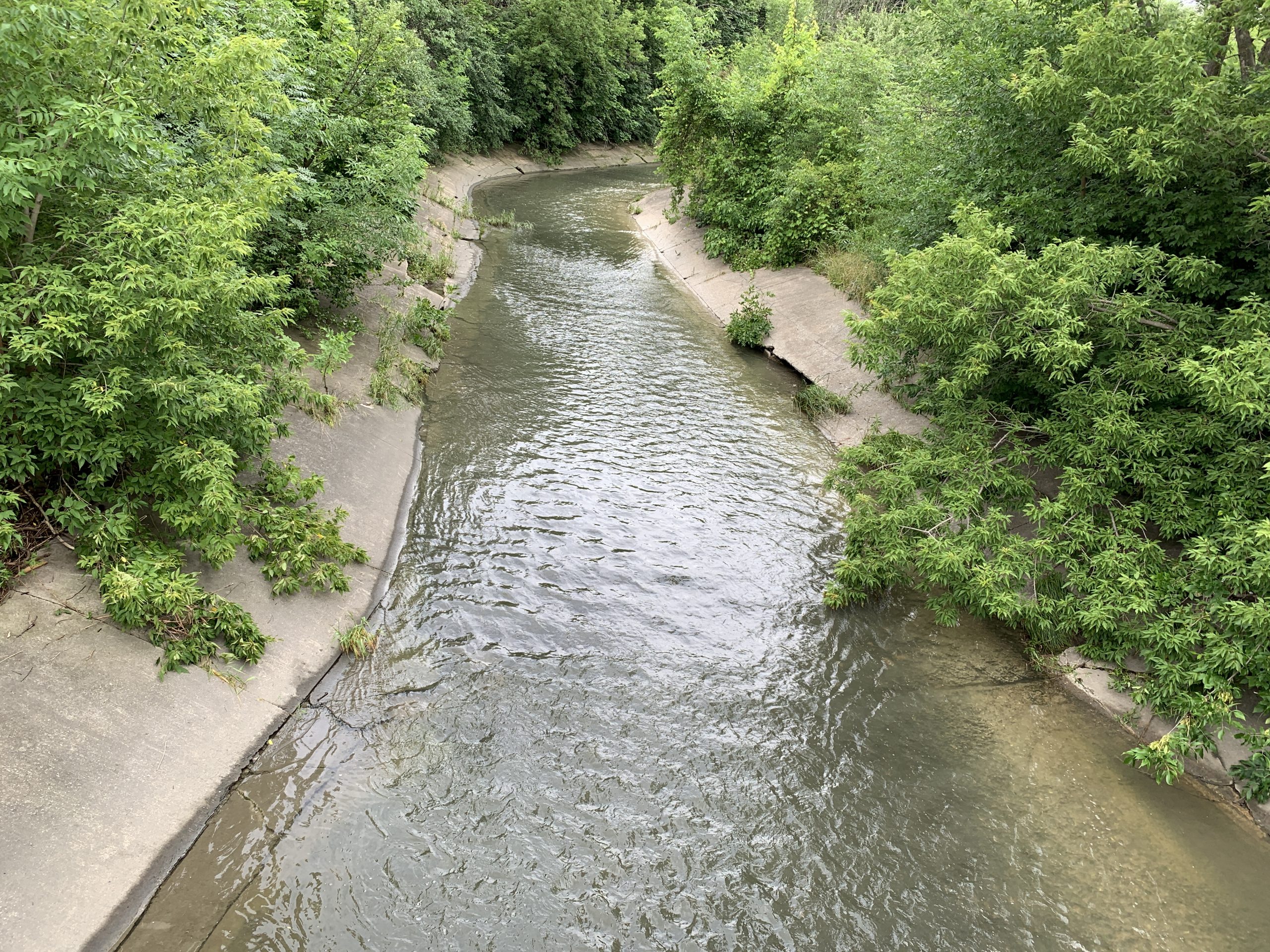 The City of Mississauga is welcoming $453,406 in federal funding through the Government of Canada’s Natural Infrastructure Fund to restore and strengthen the Cooksville Creek watershed. The funding will support restoration work at Iggy Kaneff Park (2180 Camilla Rd.), helping protect one of Mississauga’s largest watersheds while improving green space for residents.
Key improvements
The Iggy Kaneff Park restoration project supports the City’s climate and sustainability goals while making parks more enjoyable for the community.
Over the last decade, natural forest cover within the Cooksville Creek watershed has been reduced to approximately 2.2 per cent (79.1 hectares), limiting the watershed’s ability to manage stormwater and flooding risks. The City will use this funding to restore wetlands and forests by planting 1,050 trees, 6,000 shrubs and 2,000 wetland plants, helping manage stormwater, support wildlife and maintain healthy ecosystems.
The restoration work complements the City’s ongoing expansion and redevelopment of Cooksville Park and Iggy Kaneff Park, helping strengthen the Cooksville Creek corridor while improving parkland for the community. The City is expanding and redeveloping Iggy Kaneff Park as part of broader efforts to address a parkland deficit in the growing Cooksville neighbourhood. The park is also undergoing a redevelopment, where amenities or new features will bring about a new park design.
The project is expected to be completed by December 31, 2028. Learn more at yoursay.mississauga.ca/cooksville-parks
About the Natural Infrastructure Fund
The NIF is a $135 million federal program that supports projects across Canada that build, restore or enhance natural infrastructure using natural or hybrid approaches such as wetlands, urban forests, green roofs, living dykes and bioswales. The fund supports projects that increase climate change resilience, protect biodiversity and provide cleaner air and water, while improving community access to nature.
Funding was available to municipalities, Indigenous organizations and non‑profit organizations, helping communities deliver innovative, nature‑based solutions to complex environmental challenges.