Category

Resources

Mississauga reaffirms support for local businesses amid ongoing U.S. trade concerns

By Resources

Mississauga continues to back local businesses as U.S. trade challenges persist. Council recently reviewed progress on its Partners in Trade plan, which focuses on advocacy, procurement, and targeted business support to protect jobs and strengthen the city’s economy.

Despite ongoing tariffs affecting key sectors such as automotive, steel, and lumber, Mississauga attracted 47 new investments in 2025 worth $1.2 billion, creating 3,300 jobs. Through consultations with more than 100 business leaders, the City is shaping local priorities and urging federal action ahead of CUSMA’s 2026 review.

Mississauga has also applied for provincial funding to help small and medium-sized businesses diversify exports and build local supply chain resilience.

For more information, visit Mississauga Partners in Trade – Invest Mississauga

Learn more about Ontario’s upcoming recycling system.

By Resources

What’s happening to Ontario’s recycling program?

Starting January 1, 2026, Ontario will complete its transition to an enhanced recycling system where producers – those organizations that supply packaging and paper materials to residents – are 100% responsible for funding and managing the recycling program.

This new system is managed by Circular Materials, the administrator of the common collection system and a not-for profit organization that is committed to building efficient and effective recycling systems. As part of this new recycling system, residents will be able to recycle more than ever before at the curb. Ontarians will also be able to recycle the same materials no matter where they are across the province – supporting consistency and making the program more accessible.

Learn more about Ontario’s upcoming recycling system.

Why is Ontario’s recycling program changing?
Historically, Ontario’s blue box recycling programs were managed by communities who were responsible for paying approximately half of the costs, with producers responsible for the other half. Under the Blue Box Regulation, Ontario is introducing a new model where producers are 100% responsible for operating and funding the program.

What new materials can residents recycle?
As of January 2026, residents will be able recycle more than ever before at the curb, including hot and cold beverage cups, frozen juice containers, ice cream tubs, black plastic containers, deodorant, toothpaste tubes and more. Learn more about Ontario’s new recycling system.

Where can I learn about my local recycling program in 2026?

Residents can visit circularmaterials.ca/recycleontario to learn about their local recycling program, including collection schedules, what can go in their recycling, customer service information, etc. On this page, residents can enter their community and access local recycling information, including customer service numbers and more.

In 2026, Circular Materials will also be releasing a recycling app, making it easy for residents to check their recycling collection schedule, see what materials are accepted, receive service alerts and more.

Who can residents contact for a recycling inquiry?
For general recycling questions, replacement bin requests, accommodation requests or missed collections, residents can contact their local collection contractor. Contact information for each community’s collection contractor is listed on their dedicated community webpage at circularmaterials.ca/ON.

Who can residents contact if they would like to escalate their concerns?
If residents have concerns about contractor service, they can contact Circular Materials at customerservice@circularmaterials.ca or 1-877-667-2626.

Who can I contact if my office has any questions related to the new recycling program?
If your office has questions related to the new recycling program, please contact communications@circularmaterials.ca.

Will there be major changes to recycling collection compared to before transition?
Circular Materials aims to maintain and enhance recycling services that were provided prior to transition. Enhancements include residents being able to recycle more materials, and the same materials no matter where they are across Ontario.

Who is Circular Materials?
Circular Materials is the administrator of Ontario’s common collection system, and responsible for operating the new recycling system for blue box materials in 2026. This includes enabling innovation, operational efficiencies, increased standard levels and access to materials. For example, last year, Circular Materials announced a pilot for the recycling of both hot and cold paper-based and plastic-lined beverage cups at home and other eligible locations in Toronto. This pilot marked the first step towards incorporating these materials in recycling systems across all cities and communities in Ontario by 2026.

Circular Materials is committed to increasing recycling rates across Ontario and ensuring more materials are looped into the circular economy, benefiting both people and the environment.

Who are the other parties involved in Ontario’s move to this new recycling system?
Circular Materials, Ryse Solutions, Landbell Canada and EnvironFocus Incorporated are the producer responsibility organizations (PROs) that are operating Ontario’s new common collection system.

What does extended producer responsibility (EPR) mean?
EPR is a framework in which producers – the businesses that supply paper and packaging to residents – are responsible for managing the end-of-life management of these materials. EPR enables innovation, operational efficiencies, increased standard levels, and access to materials.

Recycling programs founded on the principles of EPR improve recycling rates and encourage the more efficient use of materials. Learn more here.

Frequently Asked Questions about Winter Maintenance

By Announcement, Resources

What infrastructure is the City responsible for clearing?

The City is responsible for clearing snow and ice on City-owned infrastructure, including:

* 5,700 lane kilometres of roads.

* 1,550 kilometres of priority sidewalks.

* 900 kilometres of secondary sidewalks.

* 134,000 residential driveway windrows.

* 3,300 bus stops.

* 127 kilometres of roadside multi-use trails.

* 73 kilometres of on-street bike lanes.

* Parking lots and entrances connected to community centres, arenas and libraries.

* Some park parking lots, paved pathways and trails.

Is the City responsible for clearing all roads?

Peel Region is responsible for clearing most Regional roads. The City of Mississauga is responsible for snow clearing on City roads and on the following Regional roads:

* Cawthra Road between Lakeshore Rd. E. and Eastgate Pkwy.

* Queensway West from Mavis Rd. to the eastern city limits, excluding the Queensway Bridge.

* Winston Churchill from Lakeshore Rd. W. to Dundas St. W.

For information about snow clearing on other Regional roads, call 905-791-7800. The Ministry of Transportation is responsible for clearing snow on provincial highways and their respective on-ramps and off-ramps.

How long do snow-clearing operations take?

While the amount of time it takes to treat and clear infrastructure depends on how much it snows, it can take 12 to 24 hours to clear priority infrastructure after the snow has stopped. This includes priority roads, priority sidewalks, bus stops, roadside multi-use trails, pedestrian crossings, on-street bike lanes, and parking lots and entrances connected to community centres, arenas and libraries.

City crews then move on to clearing residential roads and sidewalks, park trails, and pathways that serve as transportation links for local communities (e.g. walkways, easements to schools). This infrastructure is cleared within 24 to 36 hours after the snow has stopped.

Residential driveway windrows are cleared four to six hours after the street has received its final round of plowing. Depending on the amount of snow, it may take plows multiple passes to clear a street.

Residents are reminded that snow clearing will take longer if Mississauga gets back-to-back storms or more than 30 centimetres of snow.

What does it mean when a Significant Weather Event has been declared?

The City may declare a Significant Weather Event when a weather hazard (such as a storm) has the potential to pose a significant danger to residents travelling on roads or sidewalks.

Standard snow clearing timelines are put on hold when this is declared. When this happens, crews focus on clearing snow on priority roads and infrastructure. As a result, snow clearing operations may take longer than usual. The City will post Significant Weather Event declarations on X @MississaugaSnow.

What can I do if my street hasn’t been cleared?

The City makes every effort to follow a priority route system. Major roads, on-street bike lanes, priority sidewalks, pedestrian crossings, bus stops and designated roadside multi-use trails are cleared first, followed by residential roads, residential sidewalks and driveway windrows.

If your street has not been cleared 24 to 36 hours after the snow has stopped, please contact 311.

Please remember that residential roads and sidewalks are not cleared to bare pavement. Some snowpack will remain on the surface.

Why does the plow not clear my residential street right to the curb?

Usually this means that there were cars or other obstructions on the street, like garbage cans or sports equipment, blocking the path of our snow plows. Operators are instructed to clear the snow as close to the curb as they can. Please remember to remove parked cars from the street when it snows so that our crews can

access your street to clear it as quickly and efficiently as possible.

What is a windrow?

A windrow is the snow pile that gets pushed across the bottom of your driveway by snow plows.

Who is responsible for clearing driveway windrows?

For residential homes, the City will clear at least a three-metre space at the end of single, double and shared driveways. The City doesn’t clear windrows for condominiums, commercial properties and homes on private roads.

Do I need to register for windrow clearing?

Registration is not required for driveway windrow clearing. The City provides this service as part of its winter maintenance program.

When will my driveway windrow get cleared?

Residential driveway windrows will be cleared four to six hours after your street has received its final round of street plowing. It may take more than six hours if the city gets more than 30 centimetres of snow or back-to-back storms.

Why did the plow drive by without clearing my windrow?

If the plow went by without clearing your windrow, don’t worry – the plow will be back! Driveway windrows will be cleared four to six hours after your street has received its final round of plowing. Sometimes it takes plows multiple passes to clear your street.

Why didn’t the plow clear my whole windrow?

The City will clear enough space in your driveway windrow for a vehicle to enter and exit the driveway safely – at least 3 metres. The City will not clear snow pushed aside by sidewalk plows or the entire driveway surface.

Why didn’t my windrow get cleared at the same time as others on my street?

There are several reasons why driveway windrows cannot be cleared. Cars parked on the road or on the lower part of the driveway can make it unsafe for the plow to clear the windrow. Obstacles like sports equipment and lawn decorations can also prevent crews from being able to safely clear windrows.

What happens during a Citywide Winter Parking Restriction?

To make snow clearing safer and more efficient, the City has introduced a new penalty of $150 for those who park their vehicles on the road when the City declares a Citywide Winter Parking Restriction.

The City will declare a Citywide Winter Parking Restriction when the City needs to plow roadways. When a Citywide Winter Parking Restriction is declared, on-street parking is not allowed, except in areas identified by signage (e.g. 15-hour maximum). This includes no parking on statutory holidays and religious observances. Temporary parking permits and residential parking permits will not be issued and current ones will be suspended.

How do I know when a Citywide Winter Parking Restriction is in effect?

The City will announce that a Citywide Winter Parking Restriction is in effect on its website and on social media @MississaugaSnow on X. Residents can also sign up to receive an email alert at mississauga.ca/snow.

Is my parking permit still valid during a snowstorm?

When a Citywide Winter Parking Restriction is in effect, temporary parking permits and residential parking permits are suspended and new parking permits will not be issued.

To find out if temporary parking permits are suspended, sign up to receive email alerts, contact 311, follow @MississaugaSnow on X or visit mississauga.ca/temporaryparking or mississauga.ca/snowparking.

How are violations addressed?

Enforcement of the Citywide Winter Parking Restriction in the Traffic By-law is handled by Mississauga’s Parking Enforcement team.

Who reports vehicles left on the roadway?

Plow operators will report vehicles that impede winter operations and notify Parking Enforcement. If a vehicle is parked on the street during an active restriction, Mississauga’s Parking Enforcement Officers can issue a $150 fine. Residents can also report parking violations by calling 311 or using the online portal. This creates a service request for Mississauga’s officers to attend as soon as possible.

What can I do to make snow clearing more efficient?

When winter weather hits, we can all do our part to make snow clearing more efficient and support our crews as they do this critical work:

* Give plows lots of space and drive according to weather conditions.

* Don’t park your vehicle on the road, sidewalk or lower portion of your driveway.

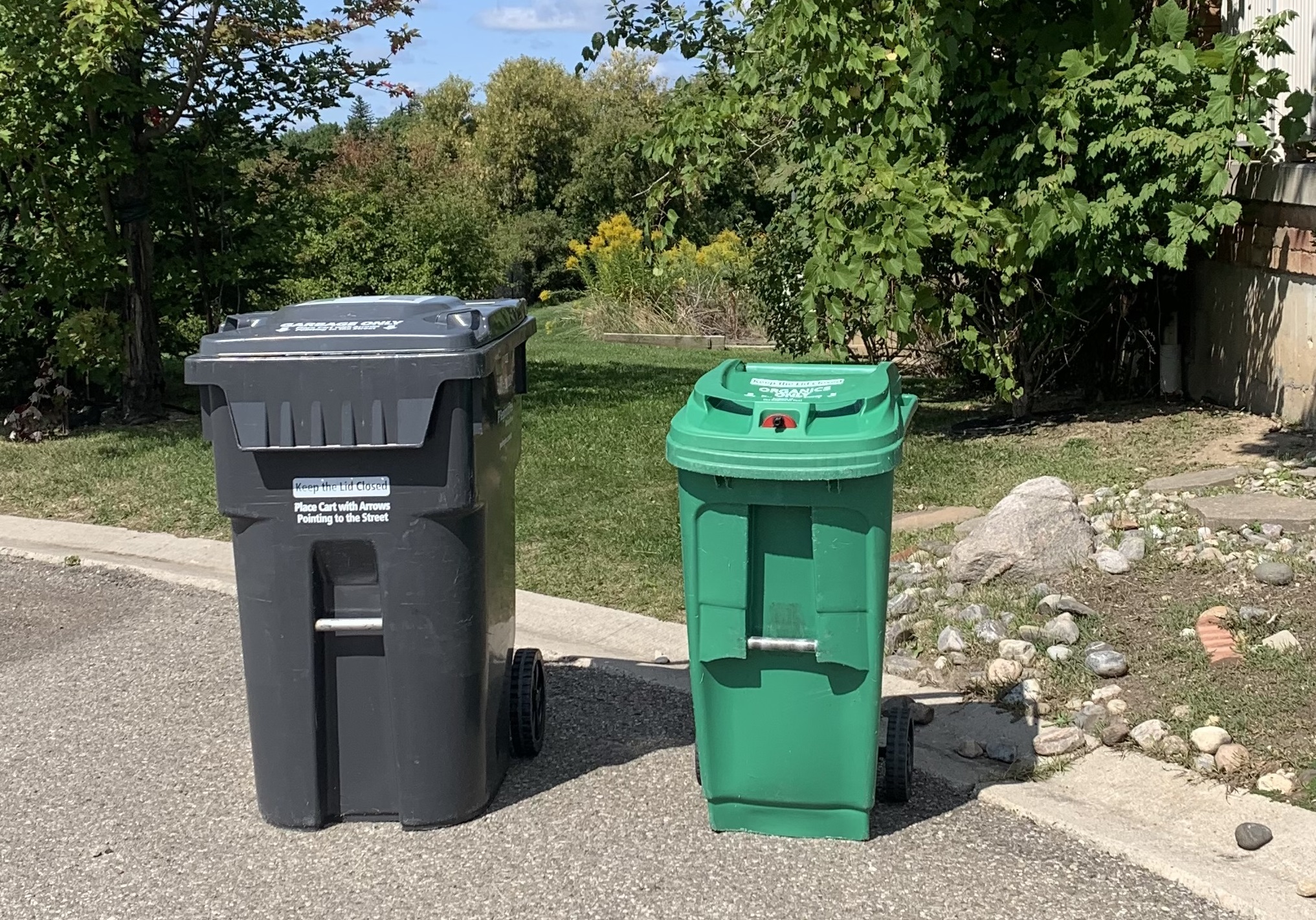
* On waste collection days, place your bins away from the curb.

* Make sure there aren’t any obstacles like sports equipment or lawn ornaments located near the lower portion of your driveway.

What is the City doing to control salt use?

The City prioritizes effective salt management practices that help keep Mississauga’s roads and infrastructure safe while limiting the impact of salt on the environment. The City is controlling its salt use by:

* Spraying brine (saltwater solution) on priority roads before a storm, when conditions allow. It helps break the bond between the snow/ice and the road, making it easier to clear snow.

* Plowing sooner.

* Using the right amount of salt in the right place at the right time.

* Using treated salt on roads, sidewalks and bus stops when it’s below -7C. It works better at colder temperatures, so the City can use less.

* Using advanced weather monitoring and salt trucks equipped with on-board technology to better monitor road conditions and control our salt use accordingly.

Residents can help minimize icy conditions on their own property by clearing snow off their sidewalk and driveway soon after the snow stops to avoid build-up, trying to pile snow where it won’t melt on their sidewalk or driveway, and using salt and ice-melting materials as recommended by the manufacturer.

New this winter: City to clear snow from all Mississauga sidewalks

By Announcement, Resources

We’re working to get you where you need to go safely this winter. New this winter, the City will deliver citywide sidewalk clearing. The City plows snow when five centimeters or more accumulates. The City clears priority infrastructure first. This includes:

* Priority roads: routes for emergency vehicles, transit and high-traffic volumes.

* Priority sidewalks: sidewalks located along major roads and bus routes and outside of schools, hospitals and long-term care homes.

Depending on how much it snows, it can take 12 to 24 hours to clear this priority infrastructure after the snow has stopped.

Residential roads are cleared next, within 24 to 36 hours after the snow has stopped. New this winter, residential sidewalks will also be cleared at this time.

Preparing for sidewalk clearing

To make sure the sidewalk in front of your home and your neighbour’s home gets cleared, it’s important that you do not park your vehicle over the sidewalk – this can prevent our crews from being able to clear the snow. To learn more about snow clearing in Mississauga, visit mississauga.ca/snow.

What you need to know about the City’s driveway windrow clearing service

By Resources

The City’s crews are ready to respond 24/7 to keep you moving safely this snowy season. New this winter, the City will deliver citywide residential driveway windrow clearing – no registration needed.

A windrow is a pile of snow left at the end of your driveway after your street has been plowed. If you have a single, double or shared driveway, you will get at least a three-metre space cleared in your driveway windrow. The City will provide this service when Mississauga gets at least five centimetres of snow.

Did the plow drive by without clearing your windrow? Driveway windrows will be cleared four to six hours after your street has received its final round of plowing. Sometimes it takes plows multiple passes to clear your street – it will be back!

It’s also possible that there was an obstacle that prevented the plow from clearing your windrow. To get your windrow cleared, here’s what you need to do:

* Don’t park your vehicle on the road or on the lower portion of your driveway.

* On waste collection days, place your bins away from the curb.

* Make sure there aren’t any obstacles like sports equipment or lawn ornaments located near the lower portion of your driveway. To learn more, visit mississauga.ca/snow

Peel Region launches Capacity Building Programs to strengthen Black-led, Black-serving, and Black-focused (B3) not-for-profit organizations

By Announcement, Resources

BRAMPTON, ON (November 26, 2025) – Peel Region’s Community Investment Program, in partnership with United Way Greater Toronto, is proud to announce the launch of three targeted capacity-building initiatives designed to strengthen Black-led, Black-serving, and Black-focused (B3) not-for-profit organizations across Peel.

These programs deliver on Peel’s 2025 commitment to support B3 organizations through leadership development, organizational sustainability, and enhanced community impact.

The three capacity-building programs include:

  1. Evaluation Training Workshops – Delivered by the Network for the Advancement of Black Communities (NABC), these sessions equip Peel B3 Fund recipients with tools and skills to evaluate and measure the impact of their programs.
  2. Capacity Building with Afrocentric Approaches – Led by the Black Canadian Fundraisers’ Collective (BCFC), this training series supports organizational growth and leadership development through Afrocentric frameworks, ensuring culturally relevant and responsive approaches. This series is open to all not-for-profit organizations in Peel with priority given to B3 not-for-profit organizations. For more information on session topics and registration, visit B3 capacity building series: B3 capacity building series – peelregion.ca.
  3. Board Leadership and Organizational Strengthening – Facilitated by TAIBU Community Health Centre, this program helps Peel B3 Fund recipients strengthen their boards, build leadership capacity, expand access to funding, and plan for long-term sustainability.

24-2458 Temporary Traffic Impacts Notice – Lakeshore Rd. E. at Haig Blvd – November 24, 2025

By Construction, Resources, Ward 1

Temporary traffic impacts will be required on Eastbound Lakeshore Road East will be reduced to a single lane from Haig Boulevard to Orchard Road  to complete work for the wastewater construction project 24-2458. These traffic impacts will occur from November 24, 2025 until December 5, 2025, weather permitting.

More details are available in the attached notice for affected residents, which is posted online at peelregion.ca/construction/project-24-2458/ within the next few days.

Please send any questions to construction@peelregion.ca. This will allow our customer service team to direct the inquiry to the relevant staff and log it to inform future service enhancements.

Regional Council to begin deliberating Peel’s proposed 2026 Budget

By Announcement, Resources

BRAMPTON, ON. (Nov. 19, 2025) – Regional Council discussions of Peel’s 2026 Operating and Capital Budgets begin tomorrow morning at 9:30 a.m.

Budget presentations will be as follows:

  • Nov. 20 – Presentation for Peel Regional Police followed by the Peel Budget Corporate Overview presentation.
  • Nov. 27 – Presentations for select Peel Region Services.
  • Dec. 4 – Presentations for Regionally Financed External Organizations: Credit Valley Conservation, and Toronto and Region Conservation Authority.

Visit the 2026 Budget page for more information and to view videos for services.

The Regional Council Budget meetings are open to the public and residents may attend. The meetings will also be live streamed on peelregion.ca.

The proposed 2026 Regional Operating and Capital Budget is available at peelregion.ca/budget.

Peel Region secures nearly $103.5 million to continue supporting asylum claimants

By Announcement, Resources

BRAMPTON, Ont. – November 14, 2025. Today, Immigration, Refugees and Citizenship Canada (IRCC) announced approximately $103.5 million in funding for Peel Region through the Interim Housing Assistance Program (IHAP). This funding will strengthen long-term shelter capacity, continue supports for asylum claimants experiencing homelessness, and enable a future capital acquisition for a dedicated asylum claimant family site.

Peel Region will receive approximately $103.5 million of the $105.6 million requested for the period from January 1, 2025, to March 31, 2027.

Securing 98 per cent of the eligible requested amount reflects recognition of Peel Region’s leadership, innovation, and proven ability to deliver results. This significant federal investment enables Peel Region to purchase and renovate a site to support asylum claimant families, creating a sustainable alternative to costly hotel accommodations.

The Peel Reception Centre has been fully open for 9 months and remains one of Canada’s largest shelters dedicated solely to asylum claimants experiencing homelessness. We will continue stabilizing our family operations, collaborating with the community, and providing wrap around supports that focus on housing and employment supports to asylum claimants as they begin their Canadian journey.

Learn more about Peel’s asylum claimant response.