Please be advised of the following stop impacts. See the related details below:
Stop(s) Impacted: No. 0335 – SB Hurontario St at Inglewood Dr. – Relocated
Temporary Stop Location: Relocated 60m south to the southside of Eaglewood Drive on a wooden platform
Routes Impacted: 2 South and 8 South
Date and Time: Thursday December 4, 2025 at 9AM
Estimated Duration: Until, Friday December 12, 2025 at 5PM
Event Type: HuLRT
Agency: Mobilinx
Notes:
– Stops will remain accessible
– No detours required.
Please be advised of the following stop impact. See the related details below:
Stop(s) Impacted: #0807 EB Middlegate Rd at #1004 Middlegate Road
Temporary Stop Location: Relocated to Stop #0806 approximately 190m east
Routes Impacted: Route 51 South
Date and Time: Wednesday December 3, 2025 at 8:30AM
Estimated Duration: Until End of day Wednesday December 3, 2025
Agency: Enbridge
Notes: No detours required.
Learn what’s open and closed during the holiday break.
December 1, 2025
The City’s response times to media and social inquiries will be limited during this time. A full list of City services and hours of operation during the closure period is available online.
The schedule includes hours of operation for:
- Administrative offices for Mississauga Fire and Emergency Services and Parking Enforcement
- Animal Services, libraries, recreation facilities, Mississauga’s Seniors’ Centre, museums and the Provincial Offences Office
- The Art Gallery of Mississauga
- MiWay – visit the webpage for information on transit service levels and customer service
311 Citizen Contact Centre
Residents can contact the 311 Citizen Contact Centre at the following times:
- Dial 311 between 7 a.m. and 7 p.m. from Monday to Friday to speak to a Customer Service Advisor who will assist with your call.
Closed: December 25, 26, 2025 and January 1, 2026.
Open: December 27 to 31, 2025. Regular hours resume January 2, 2026.
For urgent issues on weekends, statutory holidays or overnight, please dial 311 and select option two for after-hours dispatch service. Residents can also submit requests 24/7 online.
Information on snow clearing
Residents can follow @MississaugaSnow on X, call 311 (or 905-615-4311 outside city limits) or visit the webpage.
Prepare for the unexpected this winter season with helpful tips and reminders to make the most of the colder months.
November 26, 2025
Stay informed by regularly checking weather forecasts and monitoring for potential storms. Reliable apps like The Weather Network and Environment Canada’s WeatherCAN are great tools to keep you updated.
Being aware of changing conditions helps you plan and avoid being caught off guard. Whether you’re heading outdoors or staying cozy inside, a little preparation goes a long way toward ensuring a safe and enjoyable snowy season.
Before a winter storm
From icy winds to heavy snowfall, your property should be equipped to handle winter storms. A well-prepared home not only keeps you warm and safe but also gives you peace of mind when the weather turns rough.
Stock up on supplies
Winter weather can arrive without warning, and when the snow starts falling, the last thing you want is a last-minute trip to the store. Stock up early on essential supplies to build an emergency kit which includes items like non-perishable food (canned food, energy bars, dried food), bottled water, extra batteries, a portable phone charger, manual can opener and a first-aid kit.
Have warm clothing, extra blankets, hats, gloves and a battery-powered radio ready in case of power outages. Use battery-powered heaters, flameless candles or flashlights for safe warmth and light.
Plan ahead for power outages
Winter storms can lead to power outages. Have a plan in place, including backup power sources like generators, and practise safety with them. Keep a supply of flashlights and batteries ready. Remember to also keep your cell phone fully charged, and have a backup charging pack accessible, to help you monitor changing weather.
To learn more visit Alectra’s Power Outages & Safety webpage.
Prevent frozen pipes
In negative temperatures, the water pipes in your home can freeze, leak or burst if they are not properly protected. You can winterize your outdoor pipes by:
- Closing the water shut-off valve (or valves) to turn off the outdoor water supply. Shut-off valves are usually inside the home and garage, close to where outside taps come into the home.
- Detaching garden hoses from faucets.
- Opening outside faucets to drain them.
Clear your eavestroughs
Before winter storms arrive, take a few minutes to check your eavestroughs to see if they are clogged, if safe to do so. Leaves, twigs and debris can block melting snow, causing water to back up under your shingles, damage to your house walls or freeze into heavy ice dams.
A quick clean now can prevent costly roof leaks, reduce the risk of water damage or leaks into your basement, and help winter runoff flow safely into the stormwater system.
Keep your snow supplies accessible
Have shovels, salt, and snow removal supplies in an easily accessed place. Check to make sure your shovels are in good shape and that there are no cracks or splinters. If you have a snowblower, check to make sure it’s in working order before a major snowstorm or winter weather event.
Winterize your car
Winter tires are designed for cold climates and offer enhanced traction, giving a better grip on roads and reducing braking distances. Try to get your winter tires on before temperatures dip below the freezing mark. Remember to test your car battery, check your coolant, top up your fluids, test out your wipers blades and clean your headlights.
Keep an emergency preparedness kit in your vehicle with essential items like a first aid kit, extra gloves and socks, a portable phone charger, non-perishable food and extra water, flashlight, and a blanket. These items can provide crucial support during unexpected winter emergencies.
Know your neighbours and stay connected with your community
Winter weather is easier to manage when we look out for one another. Get to know the people living nearby, exchange contact information, attend local events to meet others, and check in if you’re able to during storms or power outages.
Checking in on neighbours, especially those who may need extra support, can make a big difference during winter storms.
During a winter storm
Winter storms may bring extreme cold, freezing rain, sleet, heavy snow, ice, and strong winds.
Shovel early and often
If you have a driveway at home, it’s important to shovel early and often to limit heavy snow build up and prevent ice from forming, which can lead to slips and falls. Shovelling periodically during a snowstorm can make heavy snow or significant accumulation easier to clear.
Avoid overexertion when shoveling snow. Take frequent breaks and, if possible, work with a partner.
Avoid an icy driveway
After the snow is removed from your walkway, sidewalk and driveway, be sure to check if de-icing is necessary. You don’t need much salt to be effective – using too much doesn’t melt ice faster, but it does damage plants, sidewalks and local creeks when it washes into the stormwater system. Follow the manufacturer’s instructions to apply the right amount, under the right conditions.
Salt only works on ice and snow when the temperature is above -10° Celsius. Consider using alternatives like sand, grit, mulch or treated salt (magnesium chloride) to add traction when the temperature is below -7° Celsius. Some of these options can even be swept up and reused. Use these materials sparingly, as they can wash away into the stormwater system.
Clear snow from gas metres and exhaust vents
Excessive snow can weigh down or damage gas metres and vents, leading to costly repairs or replacements. Ensure there is a clear pathway to your gas metre in case of emergencies. Snow buildup can block gas metres and exhaust vents, potentially leading to gas leaks or improper ventilation. This can create hazardous conditions, including the risk of explosions or carbon monoxide (CO) poisoning. Blocked vents can also cause appliances to break or malfunction. A reminder, as of January 1, 2026, all homes will require a working carbon monoxide alarm on every floor.
Keep a path for fire hydrants
Be a good neighbour and keep fire hydrants on your property clear of snow. In an emergency, firefighters need to quickly locate and use a water supply. If a hydrant is blocked or covered in snow, it can be difficult to find, wasting valuable time in an emergency. Fire hydrants should be easily visible from the road, so make sure to clear a one metre radius around the hydrant and ensure a clear path to the road.
Stay safe while travelling on Mississauga roads
In severe winter weather or storm conditions, if you can, stay off the roads as there’s a higher risk of collision. Give yourself more time by leaving early, being aware of your surroundings and travel according to weather conditions. If you’re walking or riding a bike, make sure to use a crosswalk or crossride when possible. If cycling, use reflectors and bike lights.
When driving, remember to:
- Clear snow and ice from all windows, the roof of your car and headlights to ensure you have an unobstructed view and others can see you before you start driving.
- Drive for the road conditions by slowing down in bad weather like snow, ice or freezing rain.
- Look for pedestrians and cyclists before turning, entering or exiting driveways or roadways and parking lots as they are busy this time of year.
- Give snow-clearing crews and equipment room to work. Be patient if you are behind them.
- Ensure your vehicle is prepared in case you end up in an emergency and are stranded in severe winter weather. Make sure to fill your tank with gas, check your window washer fluid level and equip your trunk with an emergency kit that includes flares or lights, non-perishable snacks, water, spare clothing and blankets.
- Clear snow away from your car to prevent carbon monoxide poisoning in your car. It can happen if your exhaust is blocked by a snowbank.
Stay off frozen bodies of water
Although it may be tempting to walk, skate or play hockey on frozen bodies of water, deep water, weak ice and constantly changing water levels and temperatures make lakes, ponds, rivers and creeks unstable and dangerous.
When out walking, snowshoeing, tobogganing and out with children and pets, it’s also important to stay away from the ice close to the shore or riverbank. It may appear thicker and safe, but it’s still uneven, slippery and dangerous.
Instead, the City has three outdoor rinks and trails and dozens of indoor rinks that provide opportunities for lessons, private rentals, recreational skating and that also host hundreds of hockey games, year round.
Learn more about preparing for a severe storm: mississauga.ca/services-and-programs/health-and-safety/extreme-weather-conditions/severe-storms/
Mississauga continues to back local businesses as U.S. trade challenges persist. Council recently reviewed progress on its Partners in Trade plan, which focuses on advocacy, procurement, and targeted business support to protect jobs and strengthen the city’s economy.
Despite ongoing tariffs affecting key sectors such as automotive, steel, and lumber, Mississauga attracted 47 new investments in 2025 worth $1.2 billion, creating 3,300 jobs. Through consultations with more than 100 business leaders, the City is shaping local priorities and urging federal action ahead of CUSMA’s 2026 review.
Mississauga has also applied for provincial funding to help small and medium-sized businesses diversify exports and build local supply chain resilience.
For more information, visit Mississauga Partners in Trade – Invest Mississauga
Although it may be tempting to walk, skate or play hockey on frozen bodies of water, deep water, weak ice and constantly changing water levels and temperatures make lakes, ponds, rivers and creeks unstable and dangerous.
When out walking, snowshoeing, tobogganing and out with children and pets, it’s also important to stay away from the ice close to the shore or riverbank. It may appear thicker and safe, but it’s still uneven, slippery and dangerous.
Instead, the City has three outdoor rinks and trails and dozens of indoor rinks that provide opportunities for lessons, private rentals, recreational skating and that also host hundreds of hockey games, year round.
Find places to skate outdoors: mississauga.ca/events-and-attractions/parks/outdoor-ice-rinks/
Winter is the busiest season for Mississauga Fire and Emergency Services (MFES) with more fire emergencies, increased hazards and more social gatherings. This upcoming winter season, take the extra step towards safety. If you’re visiting elderly or vulnerable friends and family members, take a moment to look out for their safety at home or share some essential safety tips from MFES.
* If you’re cooking a bit more than usual this season, pay attention to all the activities in the kitchen. Monitor all kitchen appliances and ensure they’re turned off after use, including small appliances.
* Keep anything that can burn (e.g., furniture, clothing, curtains) at least three feet away from heat sources such as fireplaces, stoves, portable heaters or furnaces.
* For decorations: check cords and plugs for frays or damage; avoid placing extension cords under rugs or overloading them; when using a real Christmas tree ensure it is watered regularly and kept away from fireplaces, heaters or candles.
* Make sure guests are aware of your home’s fire-escape plan and know the designated meeting spot in case of emergency. * Have working smoke and carbon monoxide alarms on every floor of your home and outside all sleeping areas; replace alarms every few years as per product guidelines.
* Do not turn on a vehicle or motor inside a garage to “warm up”, even if the garage door is open. Always remove a vehicle from inside the garage immediately after starting.
* Snow and ice can block furnace vents, dryer vents, and fireplace vents can cause carbon monoxide to build up in a home. Make sure to keep vents clear of snow and ice to prevent blockages.
* Enjoy the City’s skating rinks this winter, but stay off deep water, weak ice and constantly changing water levels and temperatures at lakes, ponds, rivers and creeks as they are unstable and dangerous. Always call 911 if you see a person or pet in the water. Do not attempt a rescue yourself.
It’s easier to have fun and enjoy the winter season when everyone is safe and healthy. Let’s work together to reduce the number of emergency incidents in Mississauga and watch our surroundings by staying alert and proactive about safety.
Have a safe holiday season ahead!


What’s happening to Ontario’s recycling program?
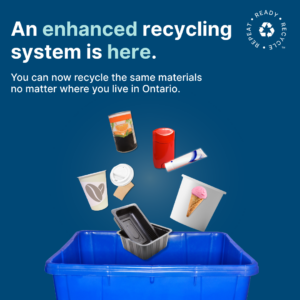
Starting January 1, 2026, Ontario will complete its transition to an enhanced recycling system where producers – those organizations that supply packaging and paper materials to residents – are 100% responsible for funding and managing the recycling program.
This new system is managed by Circular Materials, the administrator of the common collection system and a not-for profit organization that is committed to building efficient and effective recycling systems. As part of this new recycling system, residents will be able to recycle more than ever before at the curb. Ontarians will also be able to recycle the same materials no matter where they are across the province – supporting consistency and making the program more accessible.
Learn more about Ontario’s upcoming recycling system.
Why is Ontario’s recycling program changing?
Historically, Ontario’s blue box recycling programs were managed by communities who were responsible for paying approximately half of the costs, with producers responsible for the other half. Under the Blue Box Regulation, Ontario is introducing a new model where producers are 100% responsible for operating and funding the program.
What new materials can residents recycle?
As of January 2026, residents will be able recycle more than ever before at the curb, including hot and cold beverage cups, frozen juice containers, ice cream tubs, black plastic containers, deodorant, toothpaste tubes and more. Learn more about Ontario’s new recycling system.
Where can I learn about my local recycling program in 2026?
Residents can visit circularmaterials.ca/recycleontario to learn about their local recycling program, including collection schedules, what can go in their recycling, customer service information, etc. On this page, residents can enter their community and access local recycling information, including customer service numbers and more.
In 2026, Circular Materials will also be releasing a recycling app, making it easy for residents to check their recycling collection schedule, see what materials are accepted, receive service alerts and more.
Who can residents contact for a recycling inquiry?
For general recycling questions, replacement bin requests, accommodation requests or missed collections, residents can contact their local collection contractor. Contact information for each community’s collection contractor is listed on their dedicated community webpage at circularmaterials.ca/ON.
Who can residents contact if they would like to escalate their concerns?
If residents have concerns about contractor service, they can contact Circular Materials at customerservice@circularmaterials.ca or 1-877-667-2626.
Who can I contact if my office has any questions related to the new recycling program?
If your office has questions related to the new recycling program, please contact communications@circularmaterials.ca.
Will there be major changes to recycling collection compared to before transition?
Circular Materials aims to maintain and enhance recycling services that were provided prior to transition. Enhancements include residents being able to recycle more materials, and the same materials no matter where they are across Ontario.
Who is Circular Materials?
Circular Materials is the administrator of Ontario’s common collection system, and responsible for operating the new recycling system for blue box materials in 2026. This includes enabling innovation, operational efficiencies, increased standard levels and access to materials. For example, last year, Circular Materials announced a pilot for the recycling of both hot and cold paper-based and plastic-lined beverage cups at home and other eligible locations in Toronto. This pilot marked the first step towards incorporating these materials in recycling systems across all cities and communities in Ontario by 2026.
Circular Materials is committed to increasing recycling rates across Ontario and ensuring more materials are looped into the circular economy, benefiting both people and the environment.
Who are the other parties involved in Ontario’s move to this new recycling system?
Circular Materials, Ryse Solutions, Landbell Canada and EnvironFocus Incorporated are the producer responsibility organizations (PROs) that are operating Ontario’s new common collection system.
What does extended producer responsibility (EPR) mean?
EPR is a framework in which producers – the businesses that supply paper and packaging to residents – are responsible for managing the end-of-life management of these materials. EPR enables innovation, operational efficiencies, increased standard levels, and access to materials.
Recycling programs founded on the principles of EPR improve recycling rates and encourage the more efficient use of materials. Learn more here.
What infrastructure is the City responsible for clearing?
The City is responsible for clearing snow and ice on City-owned infrastructure, including:
* 5,700 lane kilometres of roads.
* 1,550 kilometres of priority sidewalks.
* 900 kilometres of secondary sidewalks.
* 134,000 residential driveway windrows.
* 3,300 bus stops.
* 127 kilometres of roadside multi-use trails.
* 73 kilometres of on-street bike lanes.
* Parking lots and entrances connected to community centres, arenas and libraries.
* Some park parking lots, paved pathways and trails.
Is the City responsible for clearing all roads?
Peel Region is responsible for clearing most Regional roads. The City of Mississauga is responsible for snow clearing on City roads and on the following Regional roads:
* Cawthra Road between Lakeshore Rd. E. and Eastgate Pkwy.
* Queensway West from Mavis Rd. to the eastern city limits, excluding the Queensway Bridge.
* Winston Churchill from Lakeshore Rd. W. to Dundas St. W.
For information about snow clearing on other Regional roads, call 905-791-7800. The Ministry of Transportation is responsible for clearing snow on provincial highways and their respective on-ramps and off-ramps.
How long do snow-clearing operations take?
While the amount of time it takes to treat and clear infrastructure depends on how much it snows, it can take 12 to 24 hours to clear priority infrastructure after the snow has stopped. This includes priority roads, priority sidewalks, bus stops, roadside multi-use trails, pedestrian crossings, on-street bike lanes, and parking lots and entrances connected to community centres, arenas and libraries.
City crews then move on to clearing residential roads and sidewalks, park trails, and pathways that serve as transportation links for local communities (e.g. walkways, easements to schools). This infrastructure is cleared within 24 to 36 hours after the snow has stopped.
Residential driveway windrows are cleared four to six hours after the street has received its final round of plowing. Depending on the amount of snow, it may take plows multiple passes to clear a street.
Residents are reminded that snow clearing will take longer if Mississauga gets back-to-back storms or more than 30 centimetres of snow.
What does it mean when a Significant Weather Event has been declared?
The City may declare a Significant Weather Event when a weather hazard (such as a storm) has the potential to pose a significant danger to residents travelling on roads or sidewalks.
Standard snow clearing timelines are put on hold when this is declared. When this happens, crews focus on clearing snow on priority roads and infrastructure. As a result, snow clearing operations may take longer than usual. The City will post Significant Weather Event declarations on X @MississaugaSnow.
What can I do if my street hasn’t been cleared?
The City makes every effort to follow a priority route system. Major roads, on-street bike lanes, priority sidewalks, pedestrian crossings, bus stops and designated roadside multi-use trails are cleared first, followed by residential roads, residential sidewalks and driveway windrows.
If your street has not been cleared 24 to 36 hours after the snow has stopped, please contact 311.
Please remember that residential roads and sidewalks are not cleared to bare pavement. Some snowpack will remain on the surface.
Why does the plow not clear my residential street right to the curb?
Usually this means that there were cars or other obstructions on the street, like garbage cans or sports equipment, blocking the path of our snow plows. Operators are instructed to clear the snow as close to the curb as they can. Please remember to remove parked cars from the street when it snows so that our crews can
access your street to clear it as quickly and efficiently as possible.
What is a windrow?
A windrow is the snow pile that gets pushed across the bottom of your driveway by snow plows.
Who is responsible for clearing driveway windrows?
For residential homes, the City will clear at least a three-metre space at the end of single, double and shared driveways. The City doesn’t clear windrows for condominiums, commercial properties and homes on private roads.
Do I need to register for windrow clearing?
Registration is not required for driveway windrow clearing. The City provides this service as part of its winter maintenance program.
When will my driveway windrow get cleared?
Residential driveway windrows will be cleared four to six hours after your street has received its final round of street plowing. It may take more than six hours if the city gets more than 30 centimetres of snow or back-to-back storms.
Why did the plow drive by without clearing my windrow?
If the plow went by without clearing your windrow, don’t worry – the plow will be back! Driveway windrows will be cleared four to six hours after your street has received its final round of plowing. Sometimes it takes plows multiple passes to clear your street.
Why didn’t the plow clear my whole windrow?
The City will clear enough space in your driveway windrow for a vehicle to enter and exit the driveway safely – at least 3 metres. The City will not clear snow pushed aside by sidewalk plows or the entire driveway surface.
Why didn’t my windrow get cleared at the same time as others on my street?
There are several reasons why driveway windrows cannot be cleared. Cars parked on the road or on the lower part of the driveway can make it unsafe for the plow to clear the windrow. Obstacles like sports equipment and lawn decorations can also prevent crews from being able to safely clear windrows.
What happens during a Citywide Winter Parking Restriction?
To make snow clearing safer and more efficient, the City has introduced a new penalty of $150 for those who park their vehicles on the road when the City declares a Citywide Winter Parking Restriction.
The City will declare a Citywide Winter Parking Restriction when the City needs to plow roadways. When a Citywide Winter Parking Restriction is declared, on-street parking is not allowed, except in areas identified by signage (e.g. 15-hour maximum). This includes no parking on statutory holidays and religious observances. Temporary parking permits and residential parking permits will not be issued and current ones will be suspended.
How do I know when a Citywide Winter Parking Restriction is in effect?
The City will announce that a Citywide Winter Parking Restriction is in effect on its website and on social media @MississaugaSnow on X. Residents can also sign up to receive an email alert at mississauga.ca/snow.
Is my parking permit still valid during a snowstorm?
When a Citywide Winter Parking Restriction is in effect, temporary parking permits and residential parking permits are suspended and new parking permits will not be issued.
To find out if temporary parking permits are suspended, sign up to receive email alerts, contact 311, follow @MississaugaSnow on X or visit mississauga.ca/temporaryparking or mississauga.ca/snowparking.
How are violations addressed?
Enforcement of the Citywide Winter Parking Restriction in the Traffic By-law is handled by Mississauga’s Parking Enforcement team.
Who reports vehicles left on the roadway?
Plow operators will report vehicles that impede winter operations and notify Parking Enforcement. If a vehicle is parked on the street during an active restriction, Mississauga’s Parking Enforcement Officers can issue a $150 fine. Residents can also report parking violations by calling 311 or using the online portal. This creates a service request for Mississauga’s officers to attend as soon as possible.
What can I do to make snow clearing more efficient?
When winter weather hits, we can all do our part to make snow clearing more efficient and support our crews as they do this critical work:
* Give plows lots of space and drive according to weather conditions.
* Don’t park your vehicle on the road, sidewalk or lower portion of your driveway.
* On waste collection days, place your bins away from the curb.
* Make sure there aren’t any obstacles like sports equipment or lawn ornaments located near the lower portion of your driveway.
What is the City doing to control salt use?
The City prioritizes effective salt management practices that help keep Mississauga’s roads and infrastructure safe while limiting the impact of salt on the environment. The City is controlling its salt use by:
* Spraying brine (saltwater solution) on priority roads before a storm, when conditions allow. It helps break the bond between the snow/ice and the road, making it easier to clear snow.
* Plowing sooner.
* Using the right amount of salt in the right place at the right time.
* Using treated salt on roads, sidewalks and bus stops when it’s below -7C. It works better at colder temperatures, so the City can use less.
* Using advanced weather monitoring and salt trucks equipped with on-board technology to better monitor road conditions and control our salt use accordingly.
Residents can help minimize icy conditions on their own property by clearing snow off their sidewalk and driveway soon after the snow stops to avoid build-up, trying to pile snow where it won’t melt on their sidewalk or driveway, and using salt and ice-melting materials as recommended by the manufacturer.
We’re working to get you where you need to go safely this winter. New this winter, the City will deliver citywide sidewalk clearing. The City plows snow when five centimeters or more accumulates. The City clears priority infrastructure first. This includes:
* Priority roads: routes for emergency vehicles, transit and high-traffic volumes.
* Priority sidewalks: sidewalks located along major roads and bus routes and outside of schools, hospitals and long-term care homes.
Depending on how much it snows, it can take 12 to 24 hours to clear this priority infrastructure after the snow has stopped.
Residential roads are cleared next, within 24 to 36 hours after the snow has stopped. New this winter, residential sidewalks will also be cleared at this time.
Preparing for sidewalk clearing
To make sure the sidewalk in front of your home and your neighbour’s home gets cleared, it’s important that you do not park your vehicle over the sidewalk – this can prevent our crews from being able to clear the snow. To learn more about snow clearing in Mississauga, visit mississauga.ca/snow.
The City’s crews are ready to respond 24/7 to keep you moving safely this snowy season. New this winter, the City will deliver citywide residential driveway windrow clearing – no registration needed.
A windrow is a pile of snow left at the end of your driveway after your street has been plowed. If you have a single, double or shared driveway, you will get at least a three-metre space cleared in your driveway windrow. The City will provide this service when Mississauga gets at least five centimetres of snow.
Did the plow drive by without clearing your windrow? Driveway windrows will be cleared four to six hours after your street has received its final round of plowing. Sometimes it takes plows multiple passes to clear your street – it will be back!
It’s also possible that there was an obstacle that prevented the plow from clearing your windrow. To get your windrow cleared, here’s what you need to do:
* Don’t park your vehicle on the road or on the lower portion of your driveway.
* On waste collection days, place your bins away from the curb.
* Make sure there aren’t any obstacles like sports equipment or lawn ornaments located near the lower portion of your driveway. To learn more, visit mississauga.ca/snow