
Whether you’ve been driving for years or are just getting behind the wheel for the first time, following road rules and being alert while out and about ensures the safety of everyone on Mississauga roadways.
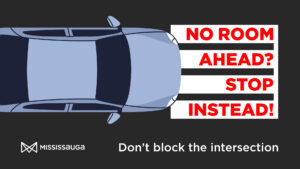
One challenge that we often see on the roads is blocking intersections. Blocking an intersection might seem like a small mistake, but it has significant consequences for traffic flow and road safety. When drivers enter an intersection without enough space to clear it, they can unintentionally create ripple effects that can impact all road users.
Blocking intersections is disruptive and hazardous for many reasons, including:
* Disrupting traffic flow. When a vehicle stops in the middle of an intersection, it prevents cross-traffic from moving even when they have the right of way. This can cause congestion and delays beyond the intersection itself.
* Interfering with emergency vehicles and public transit needing to cross the intersection in a timely manner. When an intersection is blocked, emergency vehicles like fire trucks, ambulances and police cars may be delayed, which can have serious consequences. Similarly, bus schedules can be impacted causing major delays on their routes.
* Blocking pedestrians and cyclists’ crosswalks and crossrides. Blocking an intersection might force a pedestrian or a cyclist to go around the car to cross the street which puts them in danger of getting hit by oncoming traffic.
* Increasing the risk of collision if drivers try to maneuver around the blocked area.
Avoiding blocked intersections is simple. Be alert when driving, look ahead and wait until there’s enough space to clear the intersection before entering it. If you follow these few steps, you ensure a smoother commute and safer roads for everyone.
Learn more about road safety in Mississauga: mississauga.ca/roadsafety
Every midnight beginning is hope-bound
Fireworks world-echo
Streets brighten
Alleys to highways
Windows fill with a million countdowns
On one end of the world
Someone clicks their ice skates
On another
Someone dives into coast line salt But we all come together
For the same reason
At the same time
Calendars are like empty rooms
In a new home
That you get to decorate
For many, last year was a long sentence
That lost its punctuation
But now it loosens its clutch for just a moment
Like a comma
We can imagine ourselves
Slightly braver, slightly kinder
Although winter just started, The days already tread on a little longer And before we know it
The ice will break at lake’s edge
Towards February’s wrap
The shed is over
We move faster Snow retreats into smaller curb piles We tilt our face toward the first 6pm sunset
At the clock’s turn
We make promises to ourselves
To someone else
To attention To what matters
To who we want to become
The sun’s return home says
“Begin again
There’s space for you
The year is yours”
New year, new you? Add these City of Mississauga activities to your vision board!
January 14, 2026

Physical wellness
What does getting active look like for you? This year, choose something fun!
Fitness memberships
The City of Mississauga offers different memberships to match your lifestyle. Enjoy unlimited access to more than 400 drop-in exercise classes, pools, skating rinks, indoor walking tracks, a free 45-minute fitness consultation with a personal trainer and more depending on the membership you choose.
No commitment, no problem: cancel any time without a fee. You can also join online exercise classes from the comfort of your home with a virtual fitness membership. Learn more about memberships.
Mississauga residents aged 65 or older can register for a free fitness membership. Learn more about the 65+ Fit membership.
Personal training sessions
Book individual or group personal training sessions at affordable rates. Choose from fitness or aquatic training with customized workouts to suit your needs. You can also try the City’s newly offered Body Composition Service to scan muscle, fat, bone and water levels. A qualified trainer will review your results to guide your fitness and health goals. View rates and details.
Join a sport
For those seeking a team environment, join a soccer league or try one of these adult drop-in sports:
There are a variety of sport drop-in programs offered for older adults, youth and families. Explore the full list of sports and activities, and learn about Sauga at Play, a free after-school program for youth.
New to sports? It’s never too late to find your go-to activity! The City of Mississauga offers the following courses for adults:
- Badminton
- Golf (available in spring)
- Swimming
- Skating
- Volleyball Hit Around
Swimming and Aquafitness
Get active with full-body, low impact aquatic programs at one of the 11 indoor pools located across the city:
- Adult Leisure Swim
- Adult Leisure Swim for Women and Girls
- Aqua Yoga and Toning
- Aquafitness
- Aqua Cycle
- Drop In Warm Water Strength Training
Financial assistance and accessibility
The City of Mississauga offers a fee assistance program called ActiveAssist. This gives residents in low-income households and newcomers with refugee status access to recreation and culture programs. Learn more about the ActiveAssist program.
The City also offers a variety of adapted recreational and sports activities for participants of all abilities. These programs are designed to promote accessibility and enjoyment for participants with varied abilities, including those with physical, cognitive or sensory disabilities. Learn more about the City’s adapted programs.

Mental wellness
Mental wellness looks different for everyone. It can mean joining a yoga class, taking a quiet moment in nature, or simply pausing to unwind, breathe and reflect. Check out these calming programs available in 2026:
- Ai Chi
- Drop In Yoga (options available include gentle yoga, power yoga, yoga for women, yoga for older adults, therapeutic yoga, aqua yoga, and more)
- Paws and Relax: Therapy Dog Visits
Beyond classes and memberships, there are more than 500 parks in Mississauga to explore this year, each with unique features and scenery. Use this interactive map to find a park near you and filter by amenity.
Important note: These recreational activities are designed to support well-being and do not replace professional mental health care. If you need help, please explore local mental health resources.
- Canadian Mental Health Association – Peel Dufferin
- Connex Ontario
- Centre for Addiction and Mental Health (CAMH) Resources

Learn something new
Flex that brain muscle this year and learn a new skill, language or pick up a hobby! The City offers a wide variety of creative learning opportunities for adults such as:
- Ballet
- Drawing Fundamentals
- Crafting with Cricut
- Clay: Kitchen Ceramics Workshops
- Creative writing
- Drama: Intro to Acting
- Glass and Flameworking Workshops
- Jewellery making and design
- Musical instrument lessons (Guitar, Ukulele)
- Painting
- Photography for Beginners
- Pottery
- Salsa and Latin Dance
- Sewing
- Woodworking
- 3D Printing
You can also attend the free Lecture Me! series hosted by Mississauga Library in partnership with University of Toronto Mississauga. These lectures explore topics such as artificial intelligence and genetics, in a fun and engaging way for all audiences. Register in advance to attend online or in person.
In addition to these programs, browse through the various online learning resources offered by Mississauga Library.
Make new friends
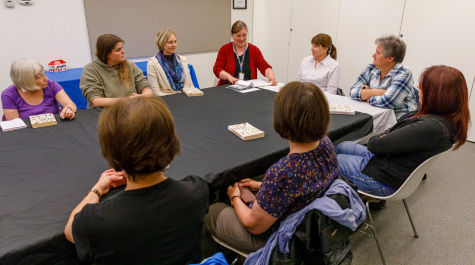
2026 could be your year to build more meaningful connections! Join the community for fun activities, great conversations and creative experiences.
Books and crafts for adults
Enjoy a relaxing activity while chatting about a great book. Craft options include air dry clay, bedazzling, block printing, calligraphy, embroidery, jewellery making, origami, and more. Browse upcoming Books and Crafts programs.
Other community gathering opportunities
Here’s to a healthier, happier you – right here in Mississauga!
Act now to discover City programs that fit your 2026 goals. There’s so much more to explore, so keep looking for ways to stay active, meet people and have fun.
Visit the Active Mississauga and Mississauga Library websites regularly for the latest programs and activities.
Amid rising flu cases, Peel Public Health reminds residents of the importance of getting vaccinated.
Children and teens under 18 currently make up the highest number of lab-confirmed influenza cases in Peel.
BRAMPTON, Ont. – December 17, 2025. Flu cases are rising in Peel region and are projected to continue increasing over the next several weeks.
Peel Public Health is actively monitoring this increase and is especially concerned with the growing number of cases among children. Currently, children 0 to 4 years account for 27% of all lab-confirmed influenza cases in Peel.
Additionally, Peel hospital visits and admissions due to influenza-like illness are increasing. This trend is a reminder that the flu is not just a mild illness, but can cause serious complications, even in healthy individuals.
Residents can protect themselves and their loved ones from getting sick from the flu by following public health recommendations.
Get vaccinated
We strongly recommend all individuals 6 months and older get vaccinated as soon as possible against the flu. It can take up to 2 weeks for the influenza vaccine to provide full protection.
Parents and caregivers play a key role in protecting children by getting vaccinated themselves and reducing household transmission.
Where to get a flu shot
Flu shots are still available. They are free for anyone 6 months or older who lives, works or studies in Peel region.
- Pharmacies:Most pharmacies offer walk-in or appointment options. Check with your local pharmacy for availability.
- Healthcare Providers:Vaccines are available for children under 5, their household members, and individuals without OHIP coverage.
Practice prevention
Residents can help stop the spread of respiratory infections by following these simple steps:
- Stay home when sick.
- Wash your hands often with soap and water or use an alcohol-based hand sanitizer.
- Cover coughs and sneezes with your upper sleeve or elbow.
- If you’re sick and can’t stay home, wear a well-fitted mask in indoor public spaces and avoid contact with vulnerable individuals.
“With flu cases rising in Peel and the upcoming holiday season, it’s important for residents to take steps to protect themselves and their loved ones. The flu is not just a cold. It can cause severe illness, especially in younger children and older adults. It’s important for all residents 6 months and older to stay up to date with their flu vaccinations to stay safe and healthy.”
Dr. Monica Hau, Acting Medical Officer of Health, Peel Region
Know where to go for care
During this time of year, hospital emergency rooms experience a high volume of patients, resulting in longer than usual wait times.
If you or a family member are experiencing a medical emergency or serious injury, visit your nearest emergency department or call 911 immediately.
If you’re unsure whether to go to the emergency department, you can:
- Call your doctor or primary care provider.
- Book an appointment with a nurse practitioner at the Regional Virtual Urgent Care Clinic to address issues virtually.
- Call Health Connect Ontario at 811 or chat online with a nurse 24/7.
- Access an Urgent Care clinic for non-life-threatening illnesses or injuries.
Explore more options in Brampton, Caledon and Mississauga to find the proper care for you and your family.
You can also use the interactive tool from Central West OHT to easily find and view nearby healthcare facilities across Peel region, including walk-in clinics, urgent care centres, pharmacies and more.
For the most current respiratory virus trends and data in Peel, visit https://peelregion.ca/health/diseases-infections/respiratory-virus-report.
The City of Mississauga reminds drivers to stay sober and alert on the roads to prevent collisions.
Local government | December 9, 2025
Driving under the influence of alcohol, cannabis or certain drugs is a serious offence. It adds to winter driving challenges such as freezing rain, snow and reduced daylight hours.
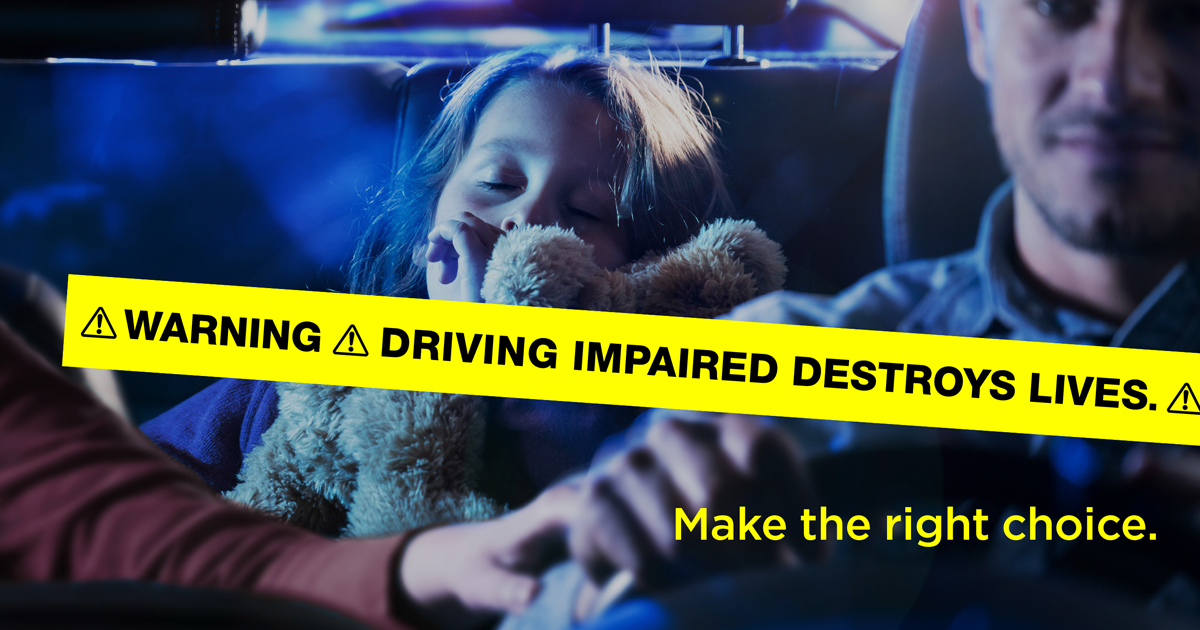
According to Peel Regional Police, impaired driving continues to be one of the top contributing factors for serious and fatal collisions. Between January 1 and November 24, 2025, there were 97 impaired driving-related collisions on Mississauga roads. To combat impaired driving in Mississauga, Peel Regional Police continues with the Reduce Impaired Driving Everywhere (RIDE) program.
RIDE checks are conducted throughout the year, but the holiday campaign includes increased enforcement levels and additional officer deployment. As of November 24, 2025, Peel Regional Police has investigated 3,052 vehicles as part of the program.
How drivers can ensure a safe and enjoyable holiday season
- Arrange a designated driver, use rideshare services or take public transit if you’re planning on consuming alcohol or using cannabis.
- If you’re planning on celebrating away from home, consider staying the night.
- Don’t let friends and family drive impaired.
- Call 911 if you suspect someone is driving under the influence of drugs or alcohol.
Impaired driving puts everyone at risk. Plan ahead, stay sober behind the wheel and help keep Mississauga roads safe for all users.
To learn more about impaired driving, visit peelpolice.ca/en/safety-tips/road-safety.aspx
Learn more about road safety in Mississauga: mississauga.ca/roadsafety
Learn what’s open and closed during the holiday break.
December 1, 2025
The City’s response times to media and social inquiries will be limited during this time. A full list of City services and hours of operation during the closure period is available online.
The schedule includes hours of operation for:
- Administrative offices for Mississauga Fire and Emergency Services and Parking Enforcement
- Animal Services, libraries, recreation facilities, Mississauga’s Seniors’ Centre, museums and the Provincial Offences Office
- The Art Gallery of Mississauga
- MiWay – visit the webpage for information on transit service levels and customer service
311 Citizen Contact Centre
Residents can contact the 311 Citizen Contact Centre at the following times:
- Dial 311 between 7 a.m. and 7 p.m. from Monday to Friday to speak to a Customer Service Advisor who will assist with your call.
Closed: December 25, 26, 2025 and January 1, 2026.
Open: December 27 to 31, 2025. Regular hours resume January 2, 2026.
For urgent issues on weekends, statutory holidays or overnight, please dial 311 and select option two for after-hours dispatch service. Residents can also submit requests 24/7 online.
Information on snow clearing
Residents can follow @MississaugaSnow on X, call 311 (or 905-615-4311 outside city limits) or visit the webpage.
Prepare for the unexpected this winter season with helpful tips and reminders to make the most of the colder months.
November 26, 2025
Stay informed by regularly checking weather forecasts and monitoring for potential storms. Reliable apps like The Weather Network and Environment Canada’s WeatherCAN are great tools to keep you updated.
Being aware of changing conditions helps you plan and avoid being caught off guard. Whether you’re heading outdoors or staying cozy inside, a little preparation goes a long way toward ensuring a safe and enjoyable snowy season.
Before a winter storm
From icy winds to heavy snowfall, your property should be equipped to handle winter storms. A well-prepared home not only keeps you warm and safe but also gives you peace of mind when the weather turns rough.
Stock up on supplies
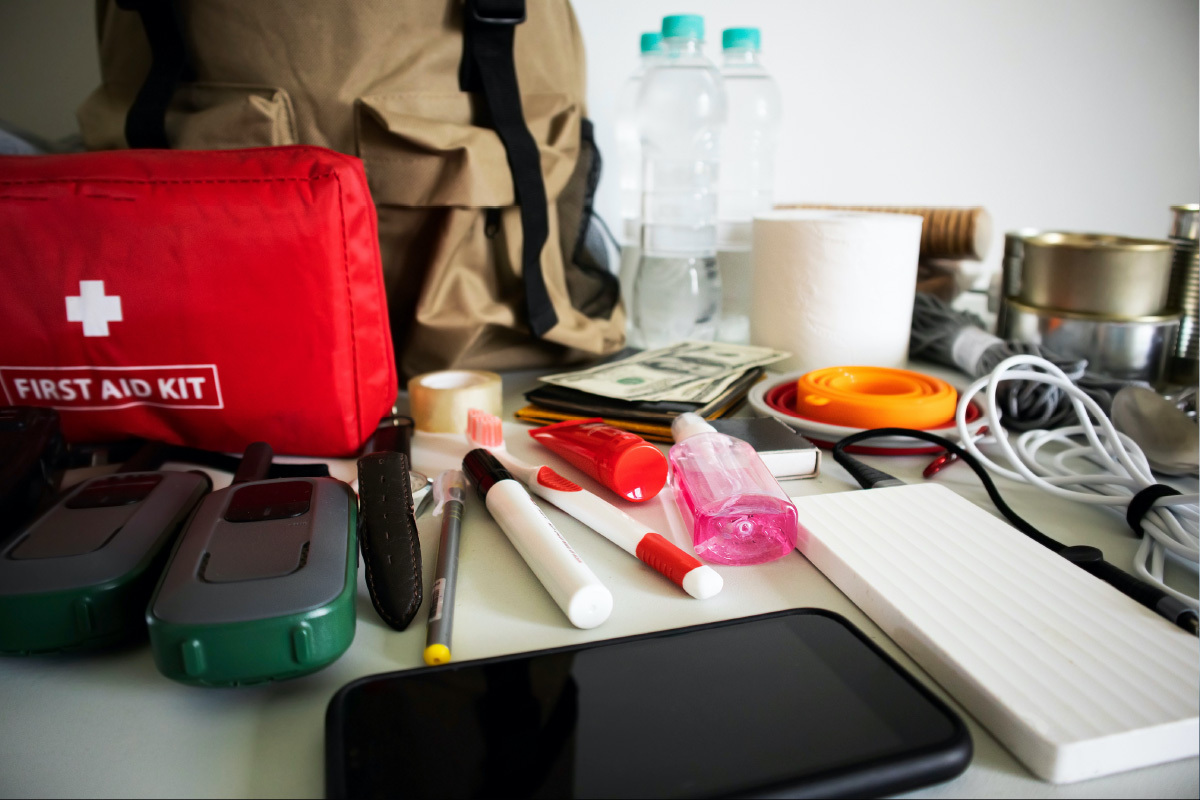
Winter weather can arrive without warning, and when the snow starts falling, the last thing you want is a last-minute trip to the store. Stock up early on essential supplies to build an emergency kit which includes items like non-perishable food (canned food, energy bars, dried food), bottled water, extra batteries, a portable phone charger, manual can opener and a first-aid kit.
Have warm clothing, extra blankets, hats, gloves and a battery-powered radio ready in case of power outages. Use battery-powered heaters, flameless candles or flashlights for safe warmth and light.
Plan ahead for power outages
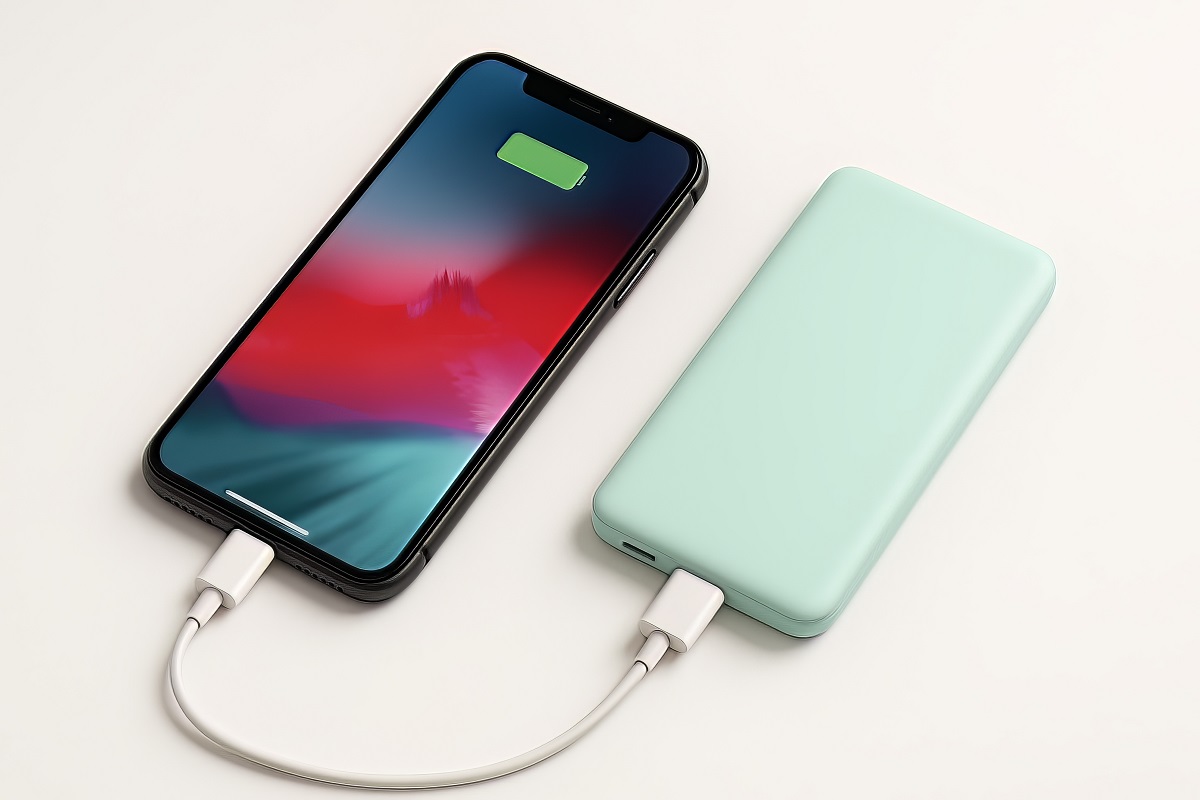
Winter storms can lead to power outages. Have a plan in place, including backup power sources like generators, and practise safety with them. Keep a supply of flashlights and batteries ready. Remember to also keep your cell phone fully charged, and have a backup charging pack accessible, to help you monitor changing weather.
To learn more visit Alectra’s Power Outages & Safety webpage.
Prevent frozen pipes
In negative temperatures, the water pipes in your home can freeze, leak or burst if they are not properly protected. You can winterize your outdoor pipes by:
- Closing the water shut-off valve (or valves) to turn off the outdoor water supply. Shut-off valves are usually inside the home and garage, close to where outside taps come into the home.
- Detaching garden hoses from faucets.
- Opening outside faucets to drain them.

Clear your eavestroughs
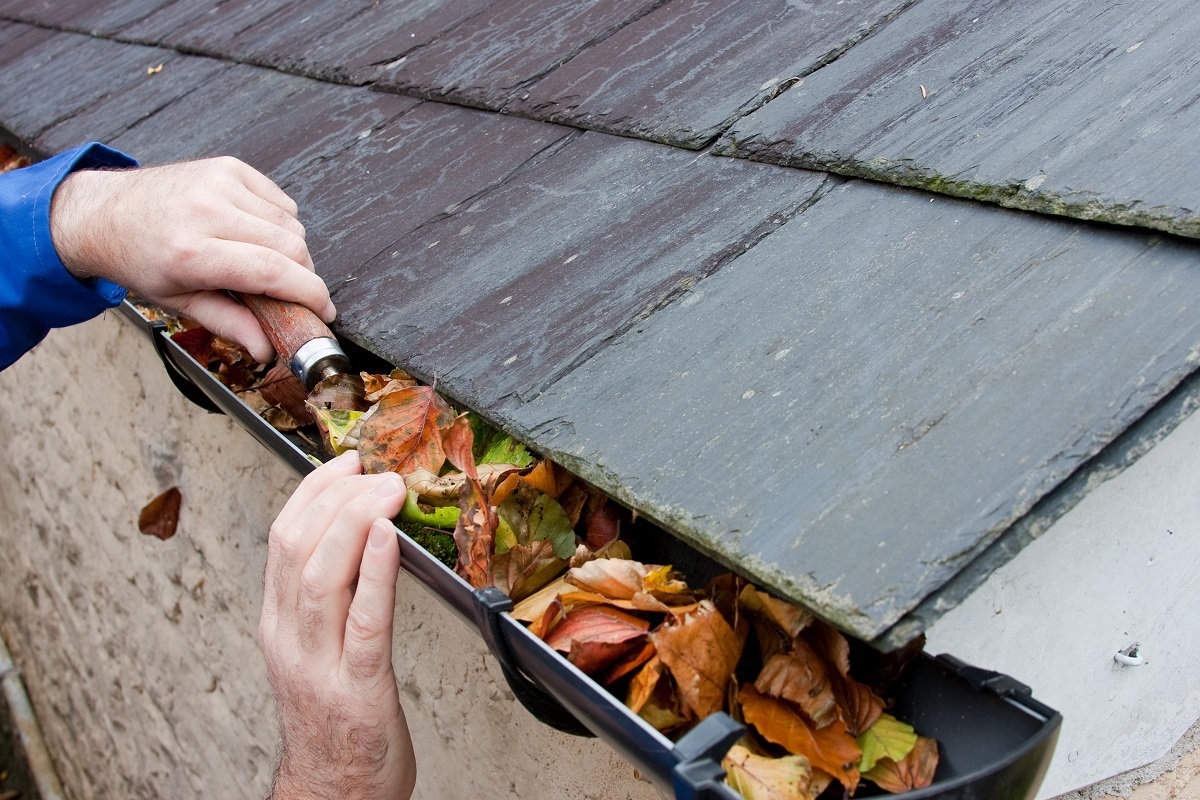
Before winter storms arrive, take a few minutes to check your eavestroughs to see if they are clogged, if safe to do so. Leaves, twigs and debris can block melting snow, causing water to back up under your shingles, damage to your house walls or freeze into heavy ice dams.
A quick clean now can prevent costly roof leaks, reduce the risk of water damage or leaks into your basement, and help winter runoff flow safely into the stormwater system.
Keep your snow supplies accessible
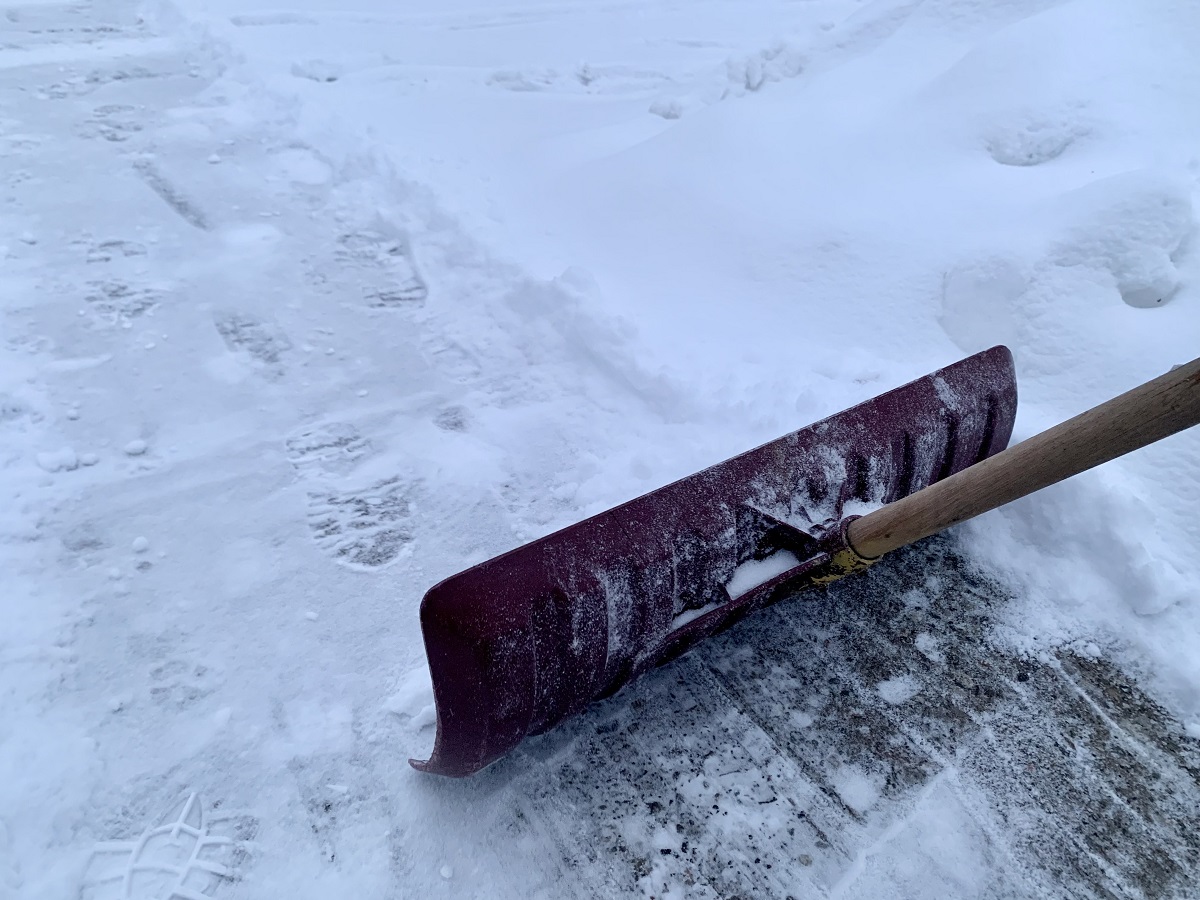
Have shovels, salt, and snow removal supplies in an easily accessed place. Check to make sure your shovels are in good shape and that there are no cracks or splinters. If you have a snowblower, check to make sure it’s in working order before a major snowstorm or winter weather event.
Winterize your car
Winter tires are designed for cold climates and offer enhanced traction, giving a better grip on roads and reducing braking distances. Try to get your winter tires on before temperatures dip below the freezing mark. Remember to test your car battery, check your coolant, top up your fluids, test out your wipers blades and clean your headlights.
Keep an emergency preparedness kit in your vehicle with essential items like a first aid kit, extra gloves and socks, a portable phone charger, non-perishable food and extra water, flashlight, and a blanket. These items can provide crucial support during unexpected winter emergencies.
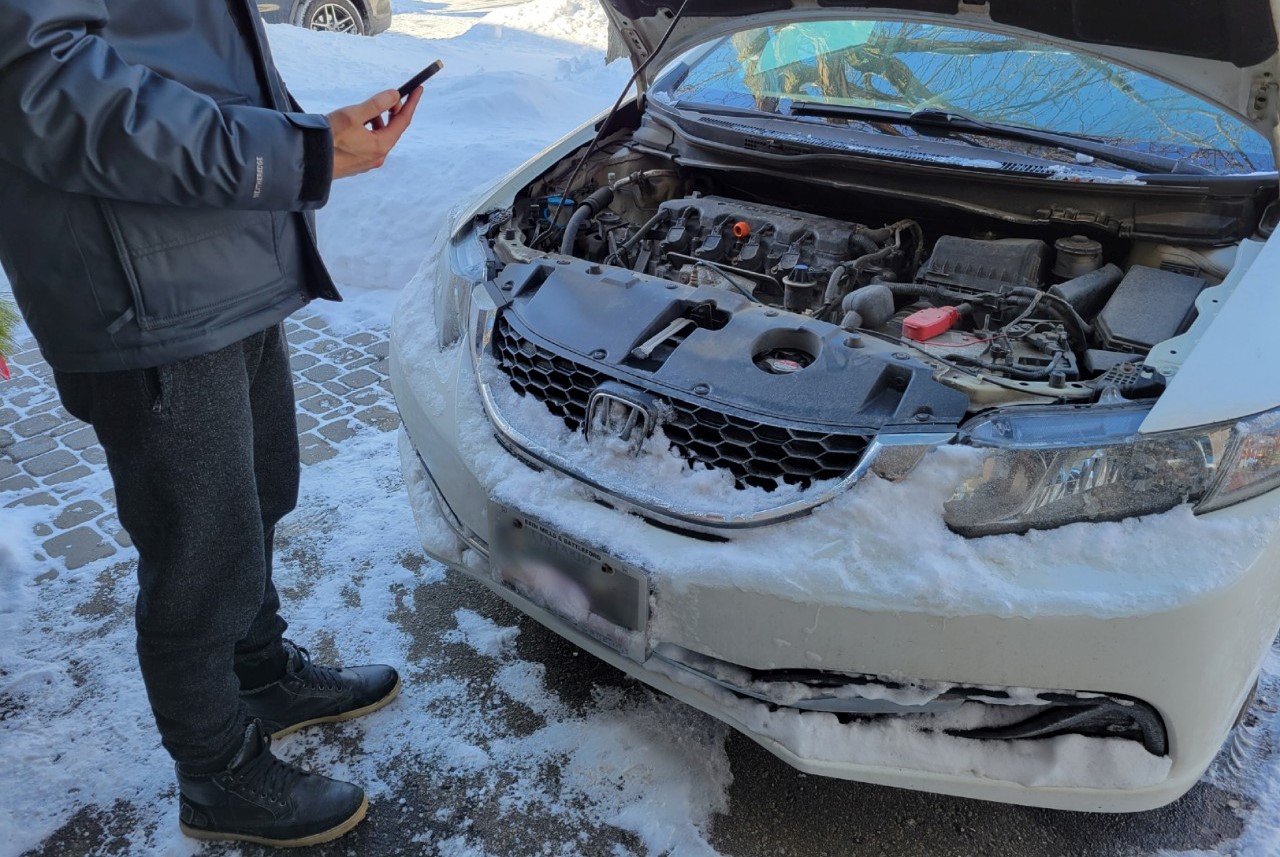
Know your neighbours and stay connected with your community
Winter weather is easier to manage when we look out for one another. Get to know the people living nearby, exchange contact information, attend local events to meet others, and check in if you’re able to during storms or power outages.
Checking in on neighbours, especially those who may need extra support, can make a big difference during winter storms.

During a winter storm
Winter storms may bring extreme cold, freezing rain, sleet, heavy snow, ice, and strong winds.
Shovel early and often
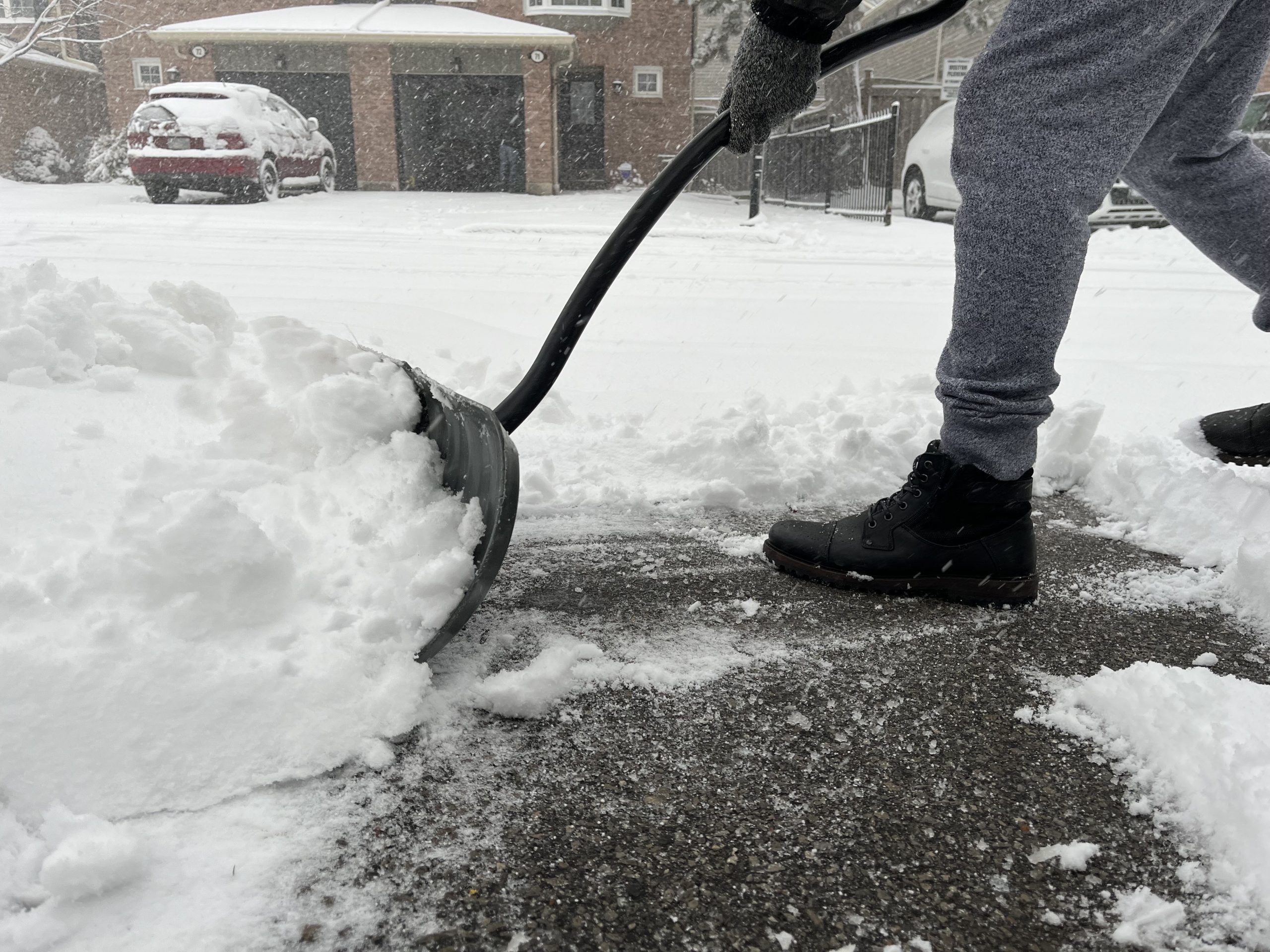
If you have a driveway at home, it’s important to shovel early and often to limit heavy snow build up and prevent ice from forming, which can lead to slips and falls. Shovelling periodically during a snowstorm can make heavy snow or significant accumulation easier to clear.
Avoid overexertion when shoveling snow. Take frequent breaks and, if possible, work with a partner.
Avoid an icy driveway
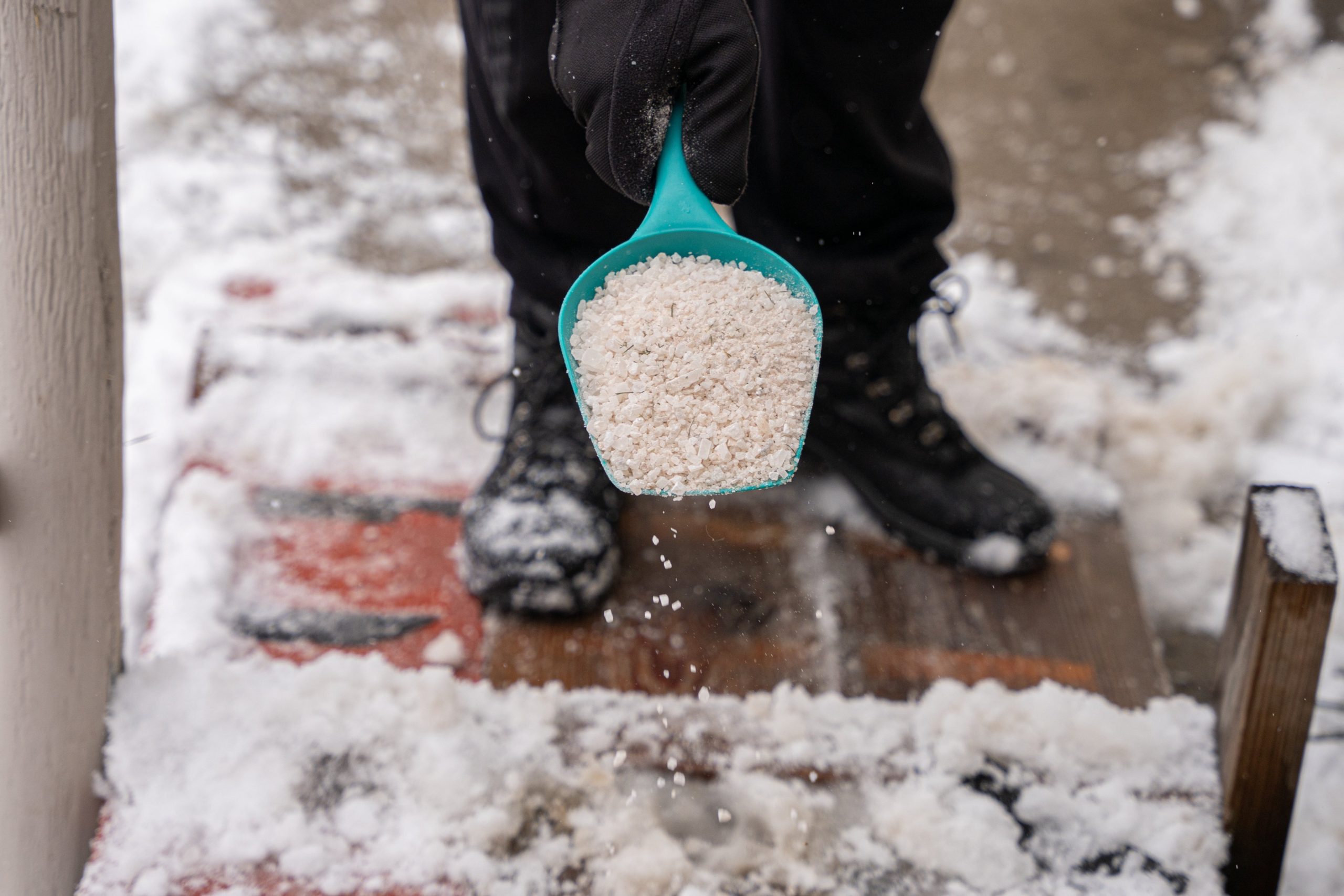
After the snow is removed from your walkway, sidewalk and driveway, be sure to check if de-icing is necessary. You don’t need much salt to be effective – using too much doesn’t melt ice faster, but it does damage plants, sidewalks and local creeks when it washes into the stormwater system. Follow the manufacturer’s instructions to apply the right amount, under the right conditions.
Salt only works on ice and snow when the temperature is above -10° Celsius. Consider using alternatives like sand, grit, mulch or treated salt (magnesium chloride) to add traction when the temperature is below -7° Celsius. Some of these options can even be swept up and reused. Use these materials sparingly, as they can wash away into the stormwater system.
Clear snow from gas metres and exhaust vents
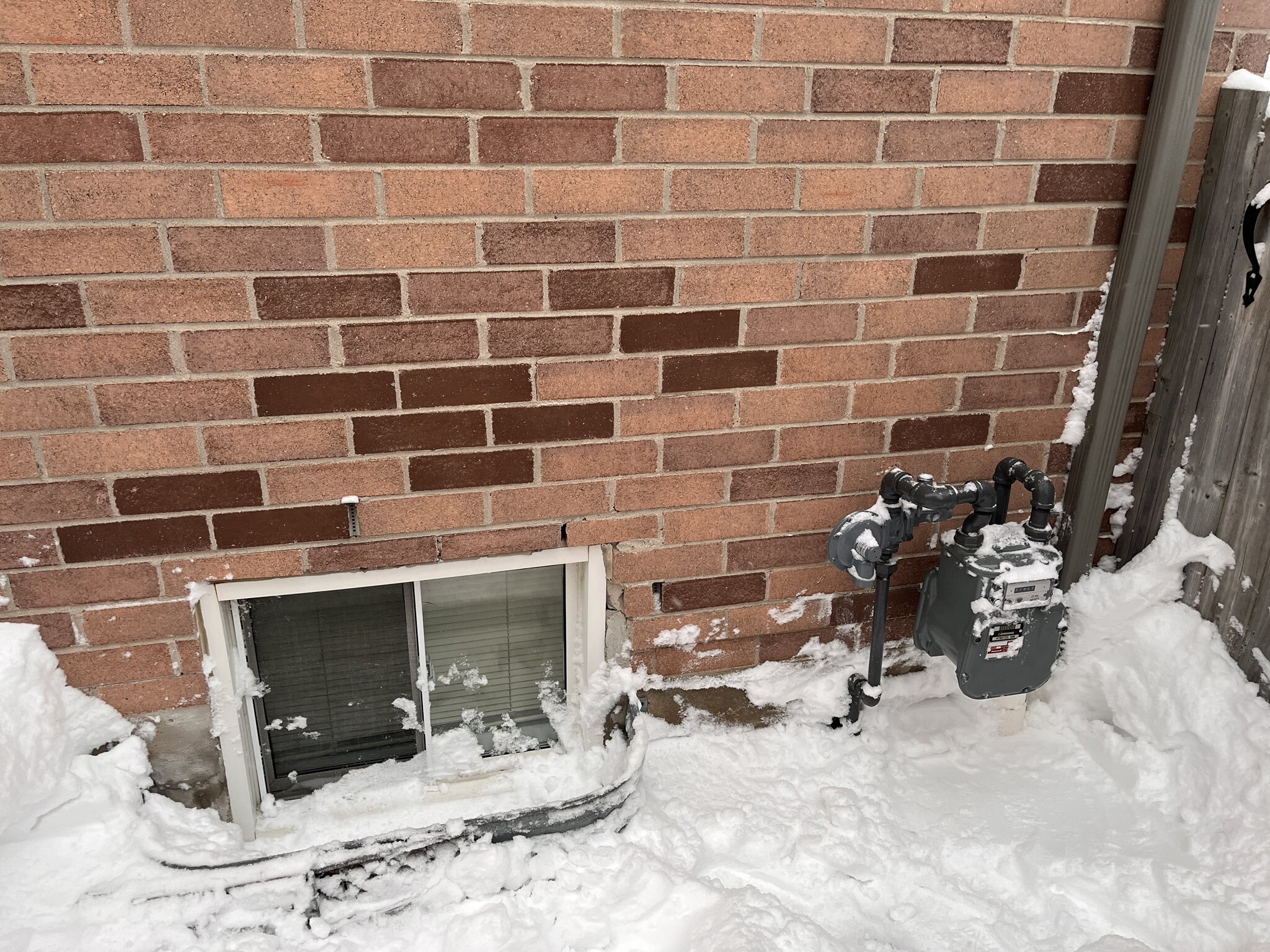
Excessive snow can weigh down or damage gas metres and vents, leading to costly repairs or replacements. Ensure there is a clear pathway to your gas metre in case of emergencies. Snow buildup can block gas metres and exhaust vents, potentially leading to gas leaks or improper ventilation. This can create hazardous conditions, including the risk of explosions or carbon monoxide (CO) poisoning. Blocked vents can also cause appliances to break or malfunction. A reminder, as of January 1, 2026, all homes will require a working carbon monoxide alarm on every floor.
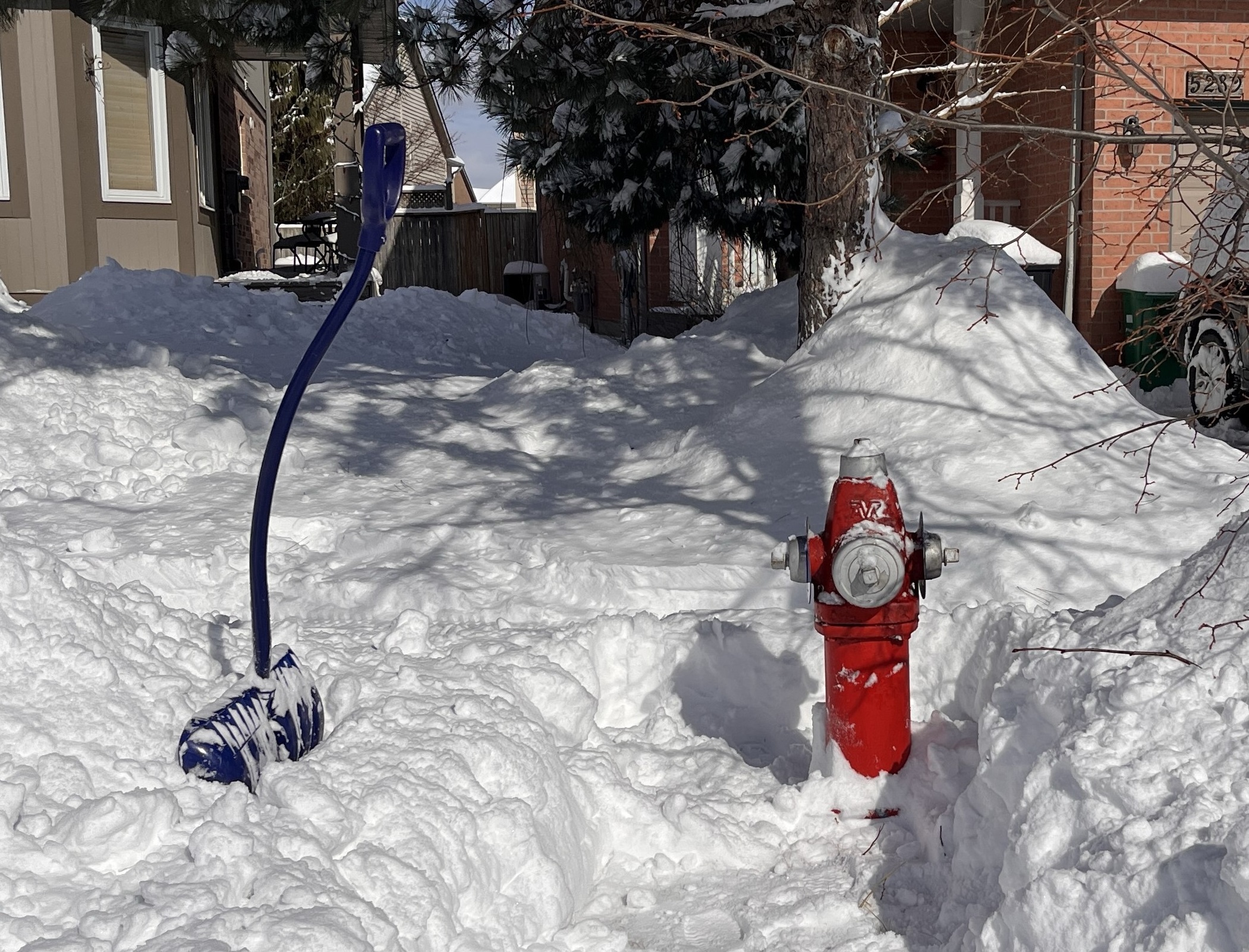
Keep a path for fire hydrants
Be a good neighbour and keep fire hydrants on your property clear of snow. In an emergency, firefighters need to quickly locate and use a water supply. If a hydrant is blocked or covered in snow, it can be difficult to find, wasting valuable time in an emergency. Fire hydrants should be easily visible from the road, so make sure to clear a one metre radius around the hydrant and ensure a clear path to the road.
Stay safe while travelling on Mississauga roads
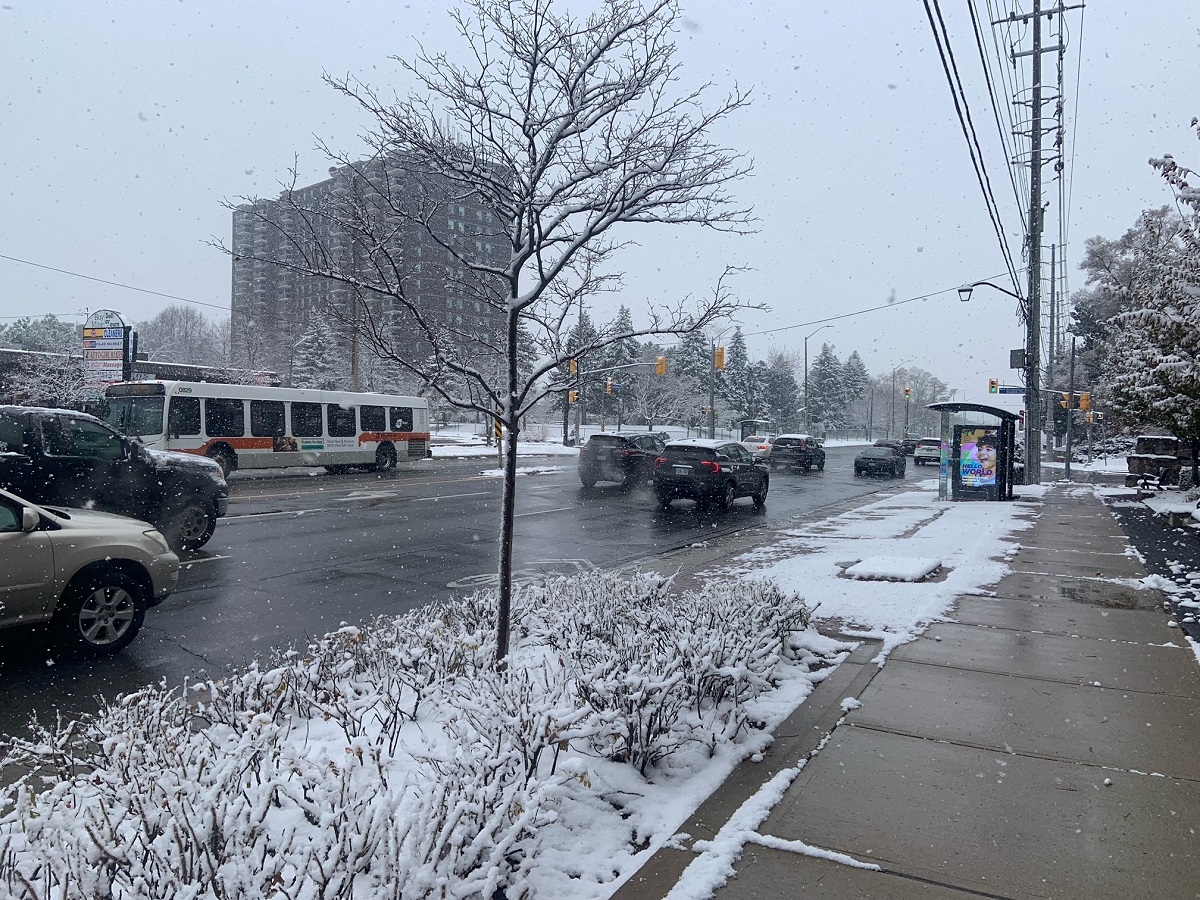
In severe winter weather or storm conditions, if you can, stay off the roads as there’s a higher risk of collision. Give yourself more time by leaving early, being aware of your surroundings and travel according to weather conditions. If you’re walking or riding a bike, make sure to use a crosswalk or crossride when possible. If cycling, use reflectors and bike lights.
When driving, remember to:
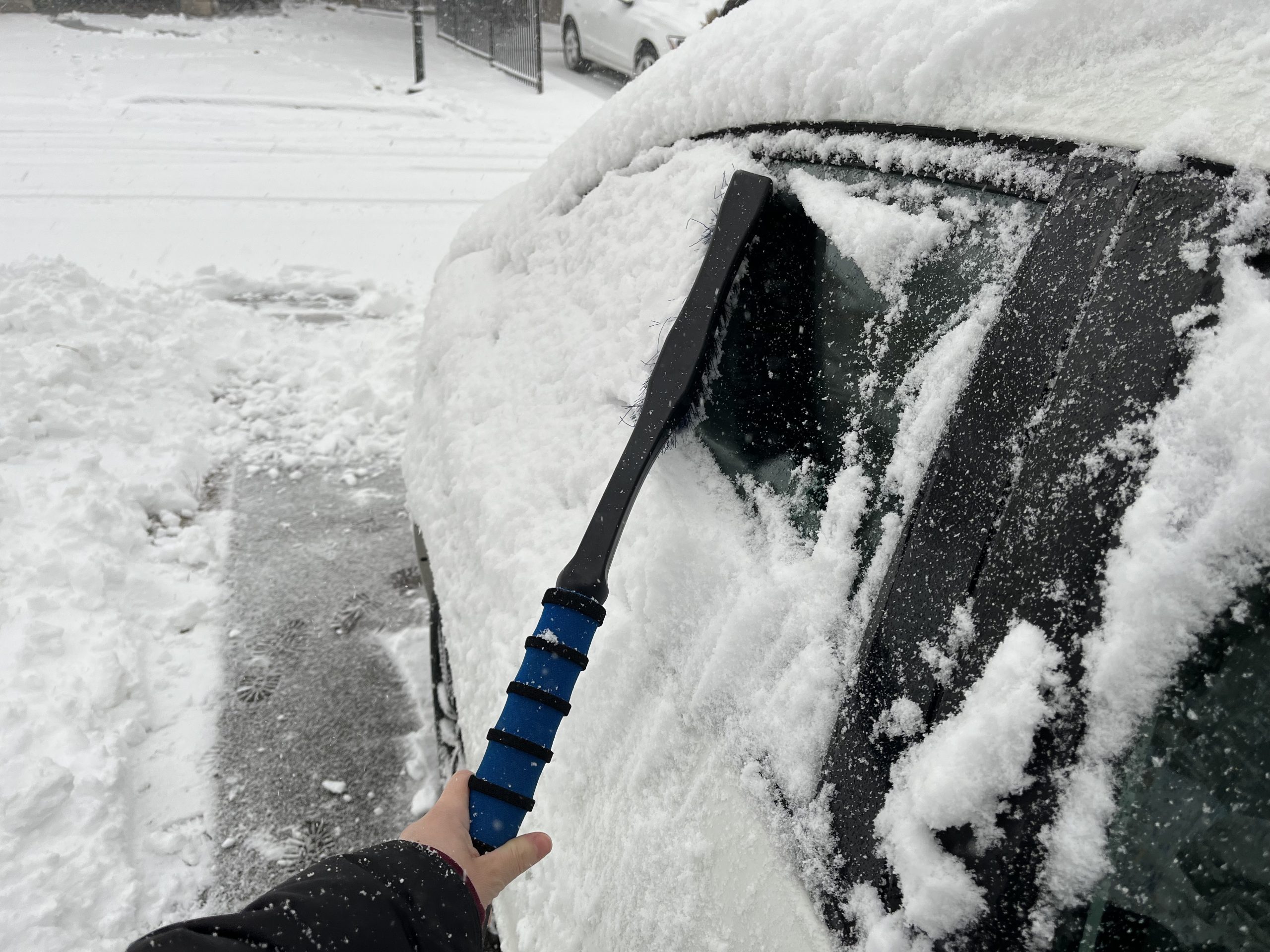
- Clear snow and ice from all windows, the roof of your car and headlights to ensure you have an unobstructed view and others can see you before you start driving.
- Drive for the road conditions by slowing down in bad weather like snow, ice or freezing rain.
- Look for pedestrians and cyclists before turning, entering or exiting driveways or roadways and parking lots as they are busy this time of year.
- Give snow-clearing crews and equipment room to work. Be patient if you are behind them.
- Ensure your vehicle is prepared in case you end up in an emergency and are stranded in severe winter weather. Make sure to fill your tank with gas, check your window washer fluid level and equip your trunk with an emergency kit that includes flares or lights, non-perishable snacks, water, spare clothing and blankets.
- Clear snow away from your car to prevent carbon monoxide poisoning in your car. It can happen if your exhaust is blocked by a snowbank.
Stay off frozen bodies of water
Although it may be tempting to walk, skate or play hockey on frozen bodies of water, deep water, weak ice and constantly changing water levels and temperatures make lakes, ponds, rivers and creeks unstable and dangerous.
When out walking, snowshoeing, tobogganing and out with children and pets, it’s also important to stay away from the ice close to the shore or riverbank. It may appear thicker and safe, but it’s still uneven, slippery and dangerous.
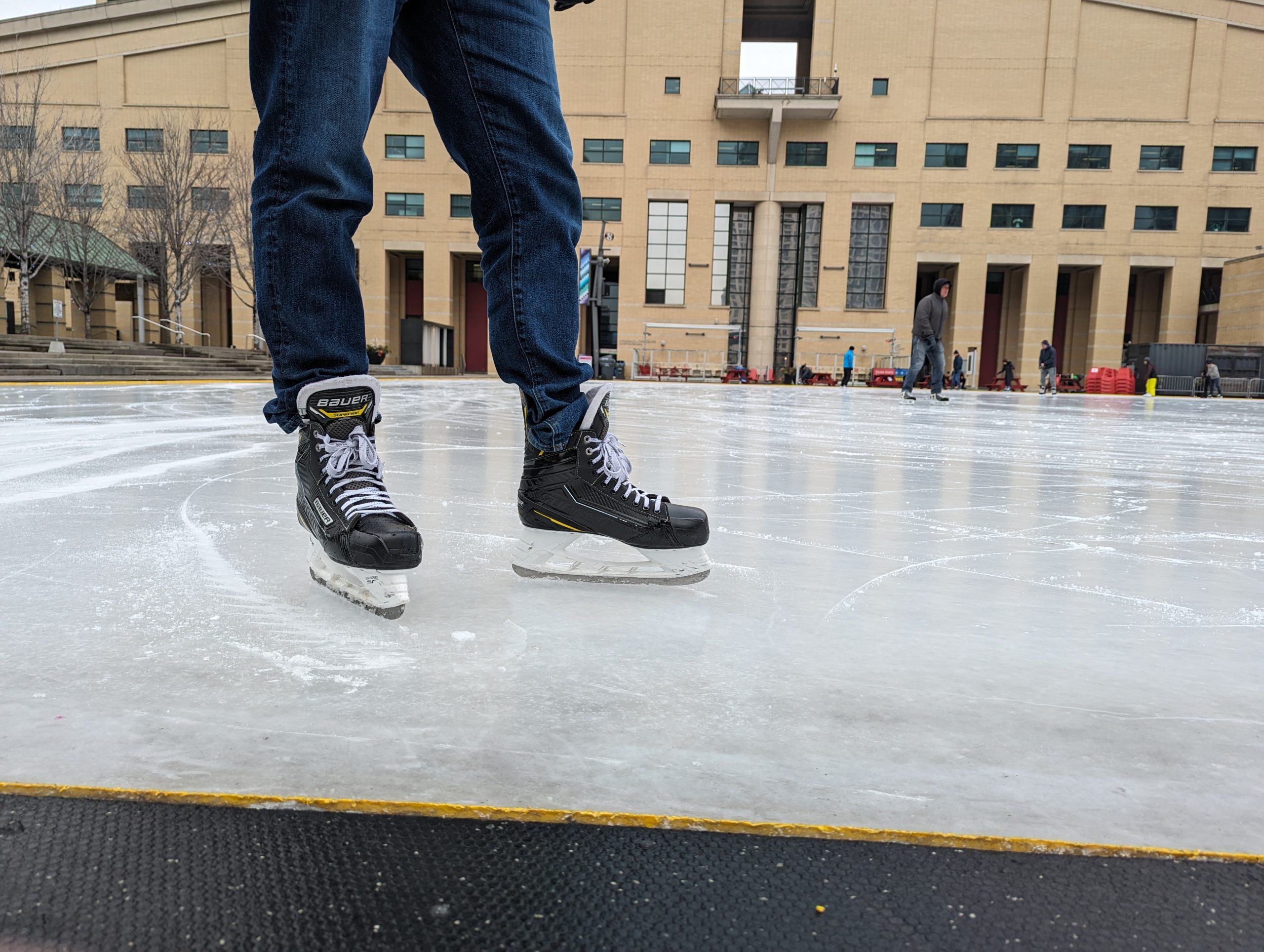
Instead, the City has three outdoor rinks and trails and dozens of indoor rinks that provide opportunities for lessons, private rentals, recreational skating and that also host hundreds of hockey games, year round.
Learn more about preparing for a severe storm: mississauga.ca/services-and-programs/health-and-safety/extreme-weather-conditions/severe-storms/