Category

Parks

Notification of herbicide application for the control of invasive plants

By Parks, Ward 1

Upcoming herbicide application to control Tree of Heaven beginning October 13th, 2026 at Helen Molassy Park, Orchard Heights Park and along the Waterfront Trail, just west of J.C. Saddington Park.

Contractors working on behalf of the City, Brinkman & Associates Reforestation Ltd., will apply Garlon (Triclopyr) directly to the stems of the plants using a handheld/backpack sprayer to minimize impacts to plants in the surrounding area. Plant material will be left standing for 30 days, then cut down. Notification signs will be posted at all access points to the spray area at least 24 hours prior to treatment and will be removed no less than 48 hours after treatment. Treatment should be completed within 2 weeks, but the timelines may be extended as needed depending on weather conditions.

This work supports the City’s Invasive Species Management Program and improves the health of natural areas across the City.

Take a StoryWalk®: Outdoor reading adventures await in Mississauga parks

By Parks, Ward 1

Turn a walk in the park into an illustrated storybook adventure. Families can read, explore and get active year-round at four Mississauga parks

City services | October 8, 2026

Adventure is waiting. Just follow the pages. Residents are invited to discover StoryWalk®, a free outdoor experience that transforms select park trails across Mississauga into interactive reading adventures. Combining literacy, outdoor recreation and active living, StoryWalk® encourages residents to explore their community and foster a love of reading.

Illustrated pages from select children’s books are posted on signs along walking paths at four parks. These stories have been selected by Mississauga Library staff and reflect diverse, family-friendly themes told with colourful illustrations, making the experience enjoyable for readers of all ages and reading levels. Each participating location features a different story by a Canadian author, encouraging families to explore new parks and discover a unique reading adventure at every stop:

StoryWalk® trails are available year-round during regular park hours. The trails are accessible and maintained through all seasons, allowing residents to enjoy the experience anytime and at their own pace.

Visit a participating park, breathe in some fresh air and watch a story come to life with every step. Read. Walk. Repeat!

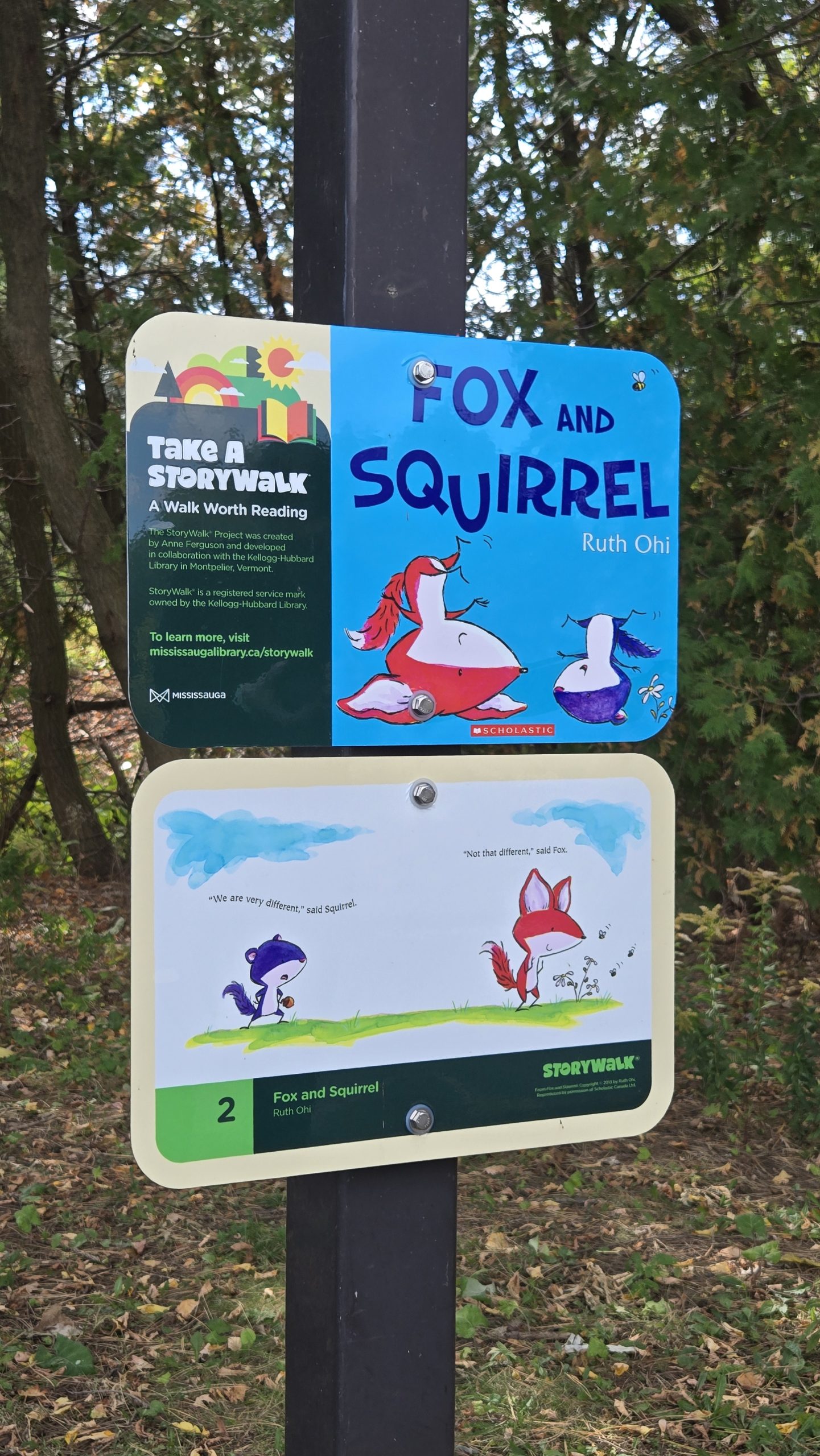
StoryWalk sign mounted on a post in a wooded park. The top panel displays the cover of the children's book Fox and Squirrel by Ruth Ohi. The lower panel shows the first page of the story, featuring illustrated fox and squirrel characters facing each other on a grassy area, surrounded by trees and foliage in the background.
Enjoy reading Fox and Squirrel by Ruth Ohi as you walk along the trail at JC Saddington Park.

More information

When the trails end, the tales continue at Mississauga Library. Residents can enjoy a range of programs and borrow books, movies, games and more. Explore the full catalogue and see all the programs available at mississaugalibrary.ca.

Mississauga has more than 500 parks to explore. There are lots of opportunities to get outside and explore nature in the city. Find local parks and amenities near you at mississauga.ca/parks.

StoryWalk® was created by Anne Ferguson and Rachel Senechal from Vermont’s Kellogg-Hubbard Library. StoryWalk® is a registered service mark owned by the Kellogg-Hubbard Library.

Natural Ice Rink Program – Call for Volunteers

By Announcement, Parks

The City has launched the Natural Ice Rink Program volunteer recruiting to maintain rinks in parks across the city this winter.

Volunteers will:

  • make and maintain the natural ice surface
  • help with flooding, snow removal and day to day maintenance of the natural ice rink
  • commit for the duration of the season

Volunteer applications are open until November 15, 2026. Residents can apply on the City of Mississauga Volunteer Portal.

525 native trees and shrubs planted in Mississauga at TD Tree Days

By Events, Parks

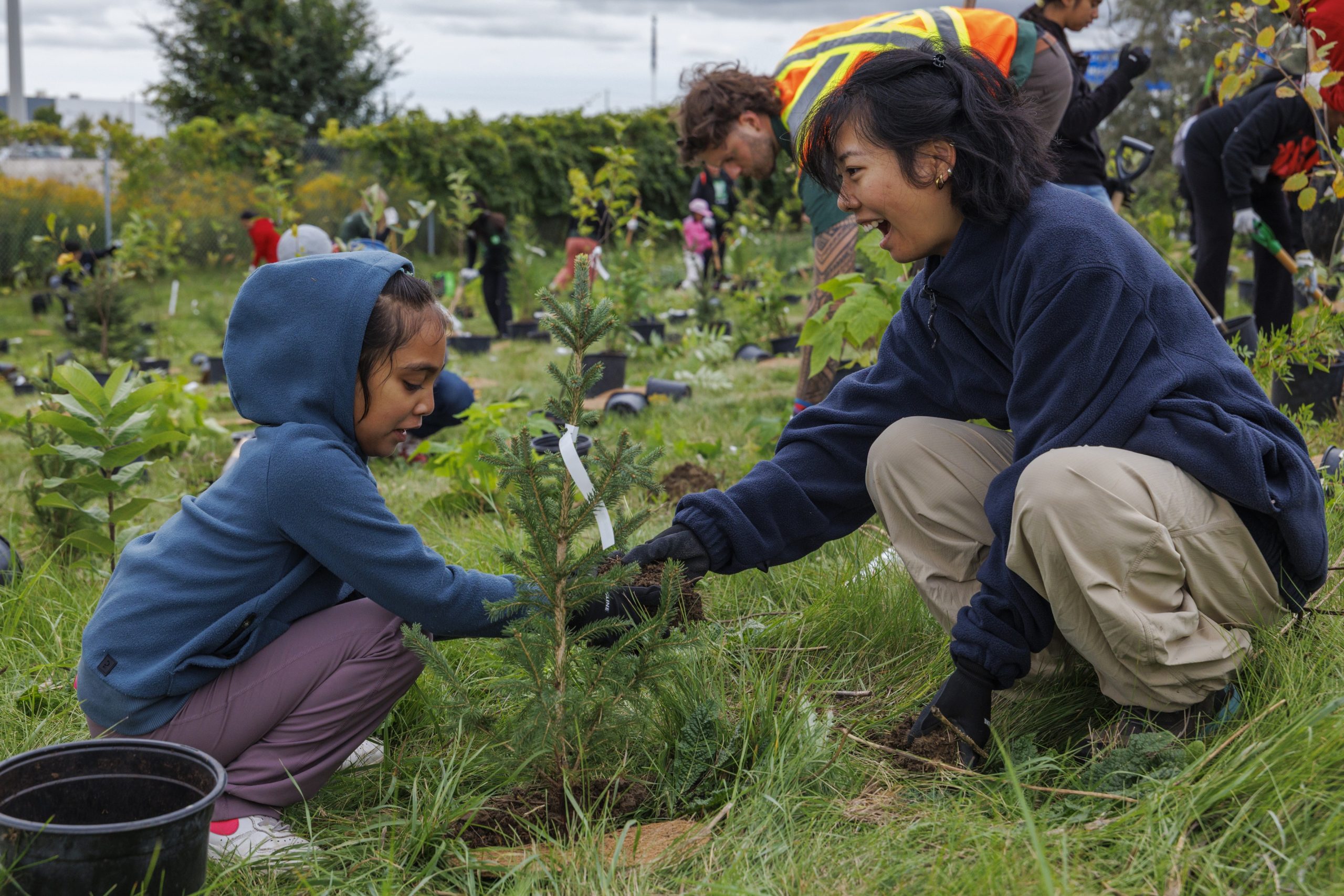
Volunteers helped put down roots for a greener Mississauga at Courtneypark Athletic Fields.

City services | September 23, 2026

TD Tree Days event on September 19 helps grow Mississauga’s urban forest and advance the City’s goal of planting one million trees by 2032.

While leaves will soon begin to fall this season, volunteers are helping grow Mississauga’s urban forest one tree at a time.

125 volunteers signed up to plant 525 native trees and shrubs, such as Sugar Maple, White Birch and White Spruce, on September 19 at Courtneypark Athletic Fields as part of TD Tree Days. Not only will the trees add to the city’s greenery, but they will also strengthen local biodiversity.

The City selected Courtneypark Athletic Fields as part of a bigger plan to naturalize approximately one hectare of mowed turfgrass. The planting will create new habitat for wildlife, strengthen connections between nearby green spaces and contribute to a healthier, more resilient urban forest. Over time, the trees and shrubs will provide additional benefits such as increased shade, carbon storage and improved air quality.

Since 2014, the City’s partnership with TD Tree Days has helped bring volunteers together to restore natural areas and plant thousands of trees and shrubs across Mississauga.

These annual events support the City’s broader efforts to expand Mississauga’s urban forest and improve the health of local ecosystems.

The planting also supports the City’s One Million Trees program, a key initiative advancing the goals of Mississauga’s Natural Heritage and Urban Forest Strategy by enhancing biodiversity and strengthening the urban forest for future generations.

More ways to get involved

The September 19 event was the first of three TD Tree Days planting events at Courtneypark Athletic Fields.

Community members still have two opportunities to participate from 9 a.m. to noon:

In total, the City will plant a total of 1,175 native trees and shrubs at Courtneypark Athletic Fields.

Recognizing National Tree Day

On this National Tree Day (September 23), learn how the City is working to grow and protect Mississauga’s urban forest and the many benefits trees provide to our community.

Mississauga launches replica of Avro Arrow CF-105 at Paul Coffey Park

By Announcement, Events, Parks

The project commemorates a supersonic jet that was designed and built in the 1950s in Malton.

Entertainment and activities | August 19, 2026

The City of Mississauga, in partnership with the Malton Business Improvement Area (BIA), invites the community to attend an exciting unveiling of a replica of the Avro Arrow CF-105 (RL-201), which was permanently installed in the Flight Garden located within Paul Coffey Park.Join Mayor Carolyn Parrish, Ward 5 Councillor Natalie Hart, Members of Council, Sam Kohli, Chair, Malton BIA, project sponsors and other special guests for a commemorative outdoor ceremony that will include the official unveiling of the Avro Arrow. Additional event details can be found below.

When:

Thursday, August 27, 2026 at 7:30 p.m.

Where:

Paul Coffey Park (Flight Garden)
6990 Goreway Dr.
Mississauga, ON L4T 1A9

Who:

Mayor Carolyn Parrish
Ward 5 Councillor, Natalie Hart
Members of Council
Sam Kohli, Chair, Malton BIA
Project sponsors and special guests

Cost:

Free

The project commemorates a supersonic jet that was designed and built in the 1950s in Mississauga’s Malton neighbourhood. Impressively, the original Avro Arrow was the largest plane of its kind when built, measuring 55 feet wide and 72 feet long. The Arrow included many firsts: digital computers and computer numerical control machining were used in the design and components; computer-controlled navigation, weapons release, electronic counter measures and jamming technology. In its time, the jet had superior speed, lower weight and the ability to carry more payloads.

For more information, view the event calendar listing.

Pool locations and hours

By Parks

Pools:

  1. Carmen Corbasson Community Centre
  2. Westacres Outdoor Pool
  3. Lions Club Outdoor Pool

For ease of reference, all three pool locations can be found here: Ward 1 Pools . This shows daily drop-in programs available to residents.

Splash Pads:

Ward 1 has the following spray pads that are open from 9am to 9pm and extended to 11 pm during heat waves.


  • AE Crookes Park, 140 Lakefront Promenade
  • Douglas Kennedy Headlands (Lakefront Promenade), 155 Lakefront Promenade
  • Serson Park, 1100 Pelham Ave

When geese season returns expect more honks and hisses

By Food for thought, Parks

Learn about ways to share outdoor areas with Canada geese and prevent any aggressive encounters.
City services | June 3, 2026


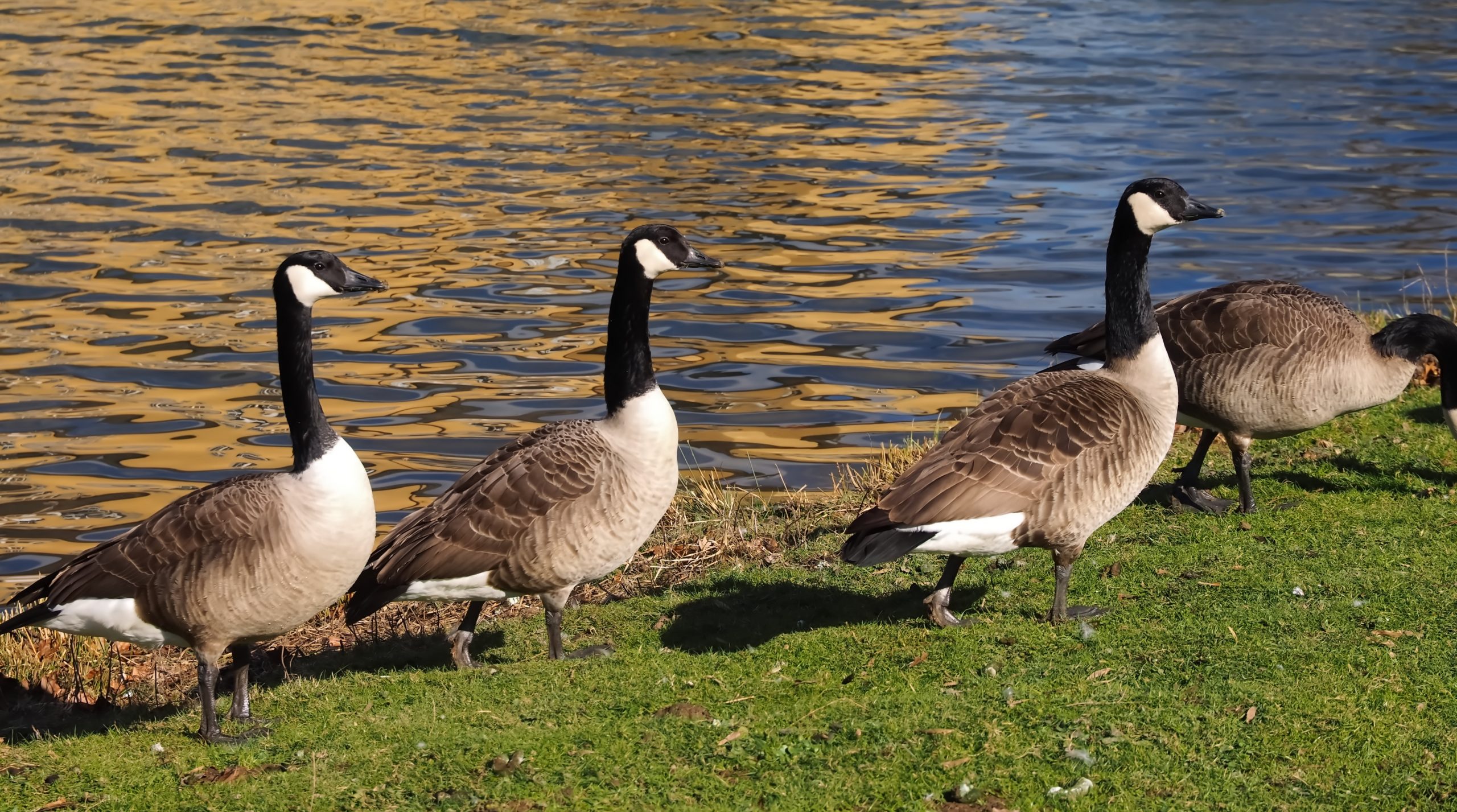
Geese from Canada on a meadow


Each spring, Canada geese return to parks, pathways and open grass across Mississauga. During nesting season, their defensive behaviour can create problems for pedestrians, cyclists, drivers and pet owners. From March through June, adult geese guard nests and their goslings. They can get aggressive and may hiss, lunge or block a path if they feel a person, pet or bike is getting too close.

Awkward places to nest

Geese are most often found where there is easy access to water and short grass. In Mississauga, that means waterfront spots such as Lakefront Promenade Park, Jack Darling Memorial Park and Port Credit, along with stormwater ponds and neighbourhood parks and green spaces such as Lake Aquitaine, Saigon Park and Lake Wabukayne. Nests can also be found in busy and inconvenient spots like boulevards, parking lots, sidewalks, sports fields and trails, and even your own backyard.

In some situations, the City may use safe and humane wildlife management methods, such as relocation, to help people and geese share public spaces. These actions protect geese and reduce aggressive interactions.

Why geese can be frustrating

At several City parks, large numbers of geese, known as flocks, may crowd the waterfront, block paths and leave droppings on seating, playground equipment and paved areas. This makes it harder for people to walk, cycle, picnic or let their children play in parks.

Droppings

Goose droppings can cause serious environmental and public health concerns because their feces have high levels of nutrients (phosphorus and nitrogen) as well as harmful bacteria like E. coli and salmonella. When these droppings are washed into stormwater management ponds, lakes and waterways, they accelerate toxic algae blooms and contaminate the water. As algae overgrows and decomposes, it consumes oxygen in the water that can harm and kill aquatic life like fish.

Aggressive behaviour

For the most part, geese tend to stay away from humans. However, tensions are strongest from March through June when adult geese guard their nests and goslings. During this time, residents should be aware that geese will hiss, lunge or block a path if they feel a person, pet or bike is too close.

Before a goose charges, it will often show that it wants more space. Typical warning signs include direct staring, a lowered head, hissing and spreading its wings to make itself look larger. If those warnings are ignored, a goose, or several geese, may lunge, rush forward or fly toward a person to push them away from their nest or goslings.

What to do during an aggressive goose encounter:

  1. Make direct eye contact with the goose.
  2. Avoid turning your back or running as it will chase you.
  3. Back away slowly and calmly without shouting, flailing or making sudden movements.
  4. If the goose gets very close, raise your arms only to protect your face and continue moving away from the nesting area cautiously.

Keep children and pets away

Small children should keep away from geese and nests. Parents and caregivers should remind children not to run toward, follow or try to touch geese, goslings or eggs, even if the goose seems calm. Giving nesting birds plenty of space helps lower the risk of aggressive reactions and keeps everyone safe.

Dogs can quickly make a situation worse during goose season, even when they are calm or just curiously wandering around. To a goose, a dog may look like a direct threat to their eggs or goslings. Keeping dogs leashed in public spaces, except in designated leash-free zones, helps owners stay in control and keep their dogs clear of nesting birds.

Give geese plenty of space, avoid grassy nesting areas when birds are present and move along calmly without letting a pet get close.

When to call the City

It’s important to know that there are clear rules for dealing with Canada geese. Many wild birds, including waterfowl and songbirds, are protected under the Migratory Birds Convention Act. That means people can’t move active nests, eggs or birds without proper authorization. Canada geese, along with their nests and eggs, are protected under federal law. Feeding wildlife is also prohibited under Mississauga’s Animal Care and Control By-law.

If you see a sick, injured or orphaned goose, contact Mississauga Animal Services at 905-896-5858. Residents should avoid trying to capture or treat the bird themselves. The Canadian Wildlife Health Cooperative can also be reached at 1-866-673-4781 to report multiple wild bird or mammal deaths.

For geese issues in City parks or other public spaces, residents can contact the City of Mississauga at 311, or 905-615-4311 from outside city limits. Reports are most useful when a bird is creating a clear safety issue, such as blocking a sidewalk or road.

When geese nest on private property, owners may need to consult a licensed wildlife management company on what steps they can legally take.

Why urban geese are so common

Across southern Ontario, Canada geese are common in urban areas with open grass, nearby water and few predators. Some populations migrate, while others stay in cities like Mississauga year-round. In spring, females lay several eggs and spend about four weeks incubating them while males stand guard. By early summer, adults shed their feathers, temporarily losing the ability to fly and gather in larger numbers near water, grassy areas and waterfront.

Canada geese can live for decades and often return to the same nesting areas year after year, when conditions remain favourable.

Feeding Canada geese is illegal

Feeding birds, like Canada geese, may seem harmless, but it can have negative consequences. These include serious health and safety concerns for residents and birds. Food such as bread and crackers does not meet the geese’s nutritional needs. It also encourages birds to gather in larger numbers and makes them less wary of people, which can lead to more aggressive behaviour.

Feeding any wildlife, including coyotes, squirrels, pigeons and foxes, is prohibited in Mississauga and can result in a fine between $365 and $100,000.

In a city where people and wildlife share the same parks, trails and the waterfront, keeping the peace with Canada geese starts with giving them space. When residents understand their behaviour and avoid feeding them, it becomes easier for everyone to share Mississauga’s green spaces safely.